Watch Guides
What Is Watch Lume? A Guide to Glow in the Dark Dials
Understand watch lume, how modern luminous material works, why some watches glow longer, and what to look for when low-light readability matters.
Back to Watch Guides →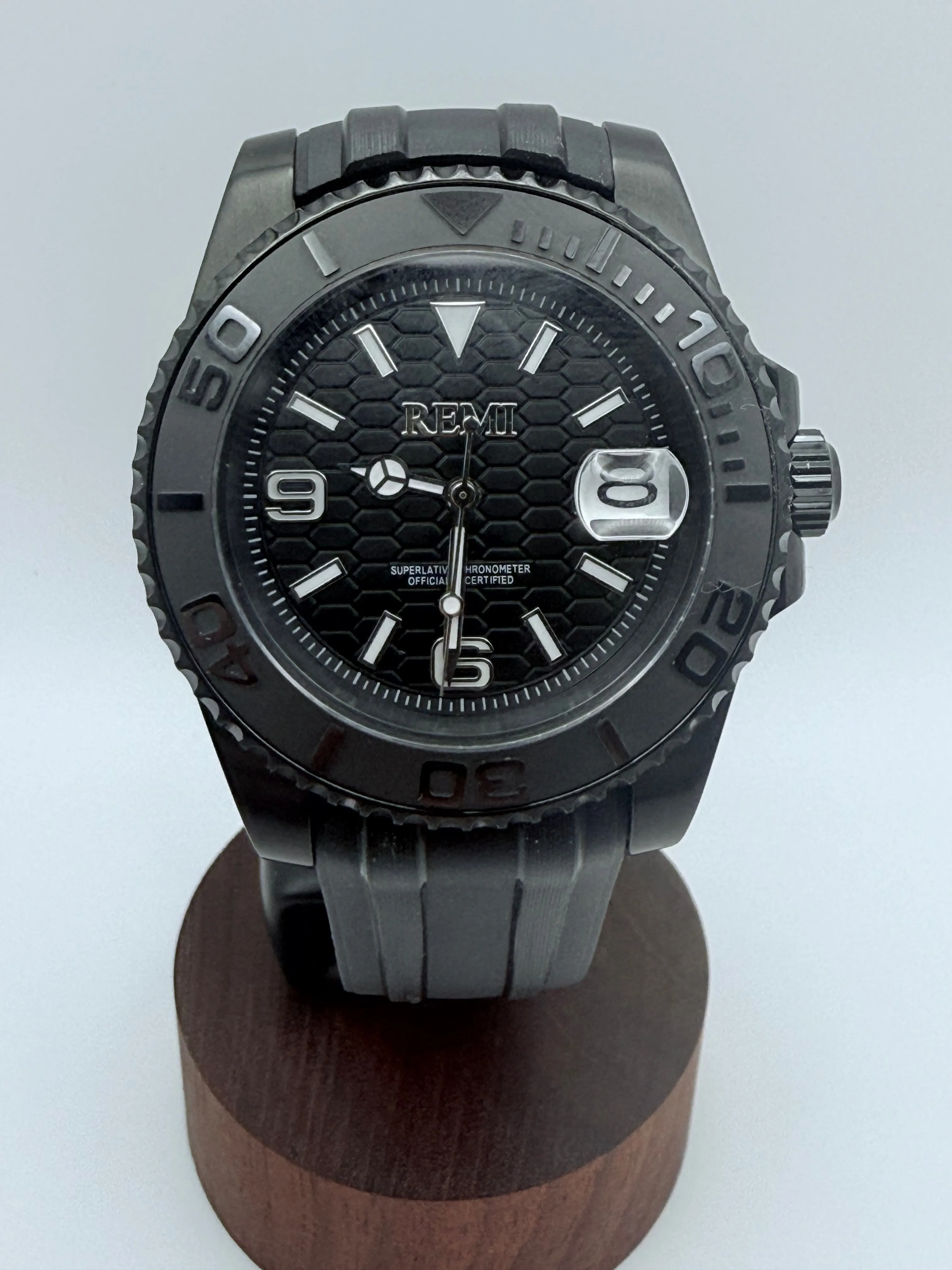
Lume is the material on a watch’s hands, hour markers, and sometimes bezel that makes them visible after the lights go down. It is useful, a little magical, and easy to misunderstand. The glow is not a promise that every watch will shine like a flashlight all night. It is a practical aid whose performance depends on the material, the amount applied, the light it received, and the job the watch was designed to do.
The Short Answer
Most new watches use non-radioactive, light-charged lume. Daylight or a bright lamp energizes the pigment, and it releases that stored energy as a glow in darkness. Names such as Super-LumiNova and LumiBrite describe modern photoluminescent systems. Some specialist watches instead use sealed tritium gas tubes, which glow continuously without charging but become dimmer over years. When comparing ordinary watches, look past the brand name and look at the size of the hands and markers, how much luminous material they carry, and whether low-light reading is a real part of the design.
WatchTime’s overview of modern luminous materials makes the useful distinction: photoluminescent lume stores light, while self-luminous systems generate their own glow. That difference explains why a freshly charged diver can appear brilliant at first while a tritium-tube watch stays at a quieter, steady level.
How Modern Watch Lume Works
Think of modern lume as a tiny light battery built into the dial. The pigment absorbs energy from daylight or artificial light. In the dark, it releases that energy gradually as visible light. This is phosphorescence, which is why the glow starts strong, then softens instead of switching off suddenly. You do not need to “use up” the lume. It can be charged again whenever the watch sees light.
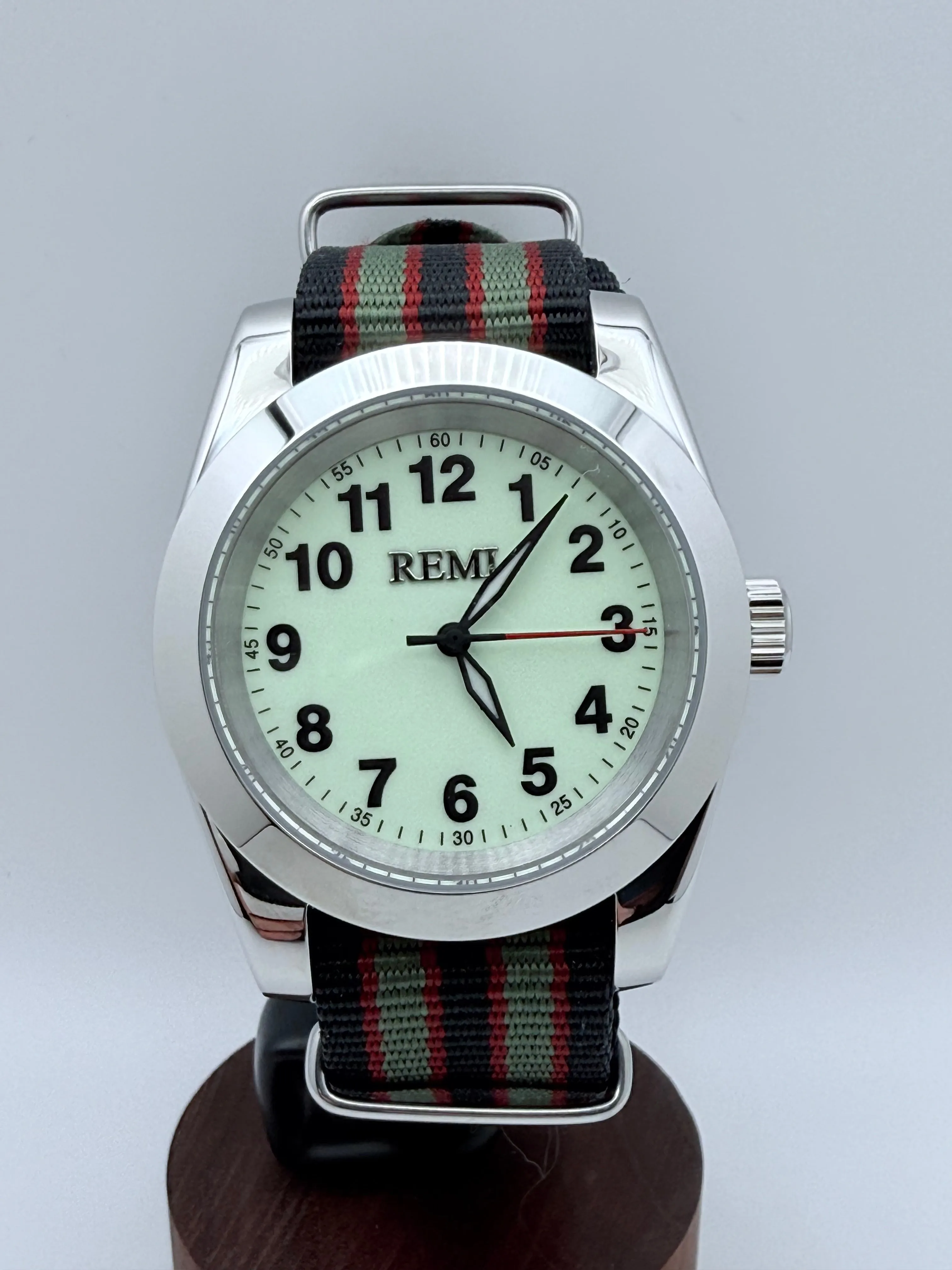
Most everyday watches use luminous paint on the tips of the hands and at the hour markers. A sport or dive watch can use thick plots on broad indices, while a dress watch may have only a small strip on each hand, or none at all. That is not automatically a quality issue. It is a design choice. A clean formal dial may favor slim markers in daylight, while a tool watch is built to be read at a glance in a dark room, at a campsite, or underwater.
Modern photoluminescent formulas are generally based on alkaline-earth aluminate pigments. WatchTime notes that Super-LumiNova has no radioactive additives and can be charged and discharged repeatedly. The color you see in daylight and the color that appears at night do not always match exactly. Green is common because human eyes are particularly sensitive to that part of the spectrum, while blue-white or vintage-tinted lume may be chosen for the look of the dial.
Why Some Watches Glow Better Than Others
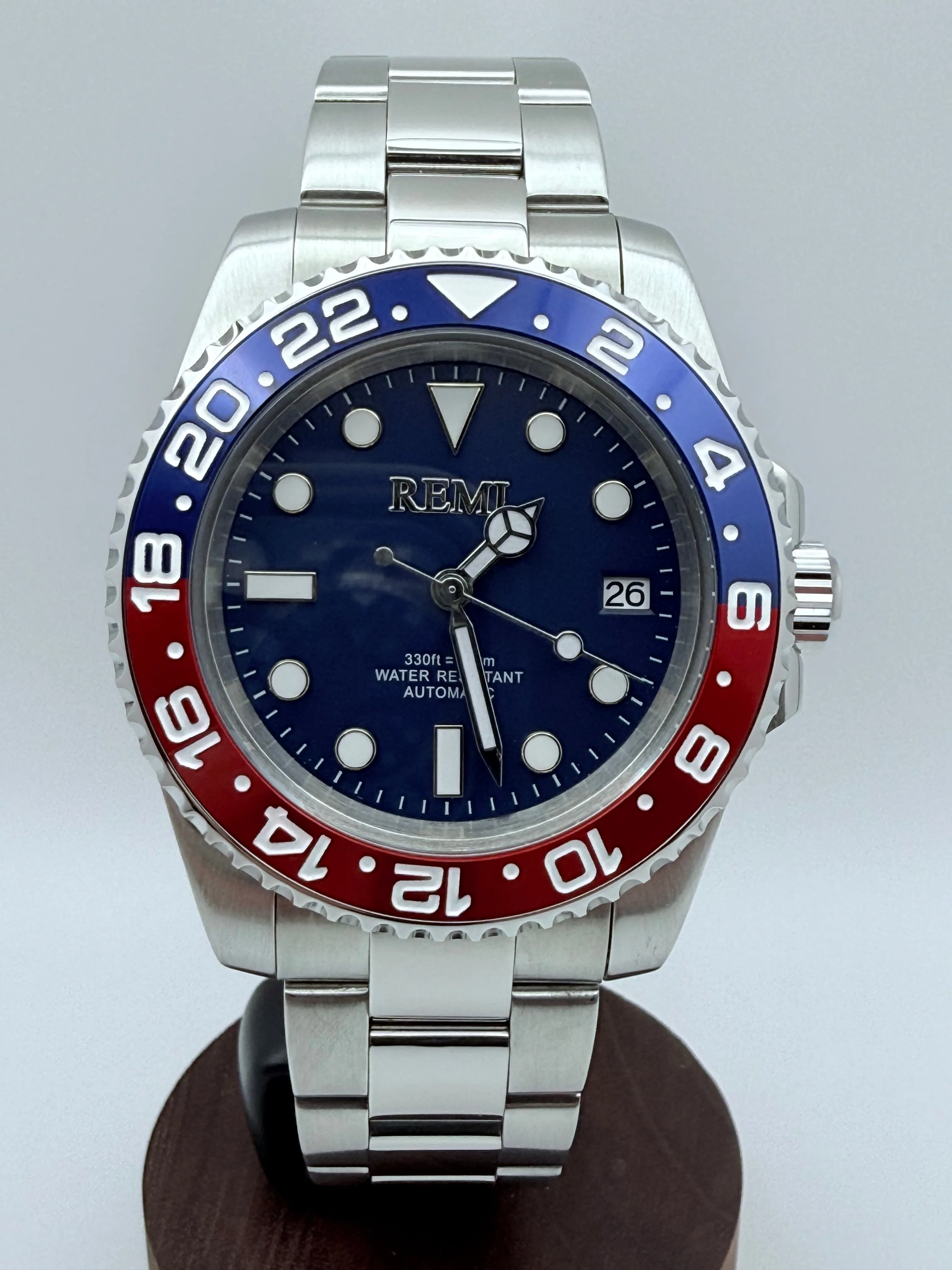
“Good lume” is not just a logo printed on a specification sheet. The practical difference usually comes down to how much material is present and where it is used. Thick luminous paint on large hands has more surface area than a narrow stripe on a slender handset. Big hour markers hold more material than tiny applied indices. A diver’s glowing bezel pip can be more useful than a dramatic dial because it helps you keep track of elapsed time.
The charge matters too. A watch that has spent the day outdoors or under bright indoor lighting will begin the evening with more stored energy than one that has been under a low lamp. The first minutes can look spectacular, but the meaningful test is whether you can still tell the time once your eyes have adjusted to the dark. That is why a quick “lume shot” under a powerful UV flashlight can be fun without being a complete buying test.
Do not overread color. A bright green formula will often look stronger to the eye than a blue one, but application thickness, pigment grade, dial contrast, and the shape of the markers are all part of the result. A watch made for daily office wear may offer a brief, useful glow. A dive or field watch may prioritize longer legibility. Compare watches according to the way you will actually use them.
Super-LumiNova, LumiBrite, and Tritium
Super-LumiNova and LumiBrite are names you may see in watch descriptions. Both describe modern, light-charged luminous systems. The most useful thing to remember is that they need exposure to light and then fade over time. The exact mix, grade, color, and quantity can vary from one watch to another, so no name alone tells you how a particular dial will perform.
Tritium is different. In a modern tritium-tube watch, a tiny sealed glass tube holds tritium gas and a phosphor coating. The material glows without needing daylight first. It is especially useful when a wearer needs a modest but consistent reference through a long period of darkness. The tradeoff is a lower initial brightness and gradual decline as the tritium decays. WatchTime explains that tritium has a half-life of about 12.3 years and that the tubes are sealed inside the watch.
Older watches need a more cautious approach. Vintage dials may use historic radium or tritium paint. Do not open, scrape, relume, or clean a vintage luminous dial at home. A discolored or faded old dial can be part of the watch’s history, and any work on it belongs with a qualified specialist who understands the material and the value of originality. A glowing dial is not a reason to treat an unfamiliar vintage piece casually.
How to Charge and Test a Watch’s Lume
The simplest way to charge modern lume is to wear the watch normally in daylight or a well-lit room. If you want to check it deliberately, place the dial under a bright light for a short period, then move into a dim room. A bright LED flashlight can work well. A UV flashlight creates an especially dramatic effect, but do not stare into it or treat a high-intensity light as a toy.
- Start with ordinary light. Let the watch see daylight or a bright indoor light first. It is the most realistic everyday charge.
- Compare at the same moment. If you are comparing two watches, charge them similarly and view them in the same darkened space.
- Wait a few minutes. The first bright flash is not the whole story. Give your eyes time to adjust and see which dial remains readable.
- Read, do not just admire. Can you identify the hour and minute quickly? Can you tell the hands apart? Those questions matter more than a photo.
Avoid trying to improve lume with chemicals, heat, or a do-it-yourself paint kit. Lume sits close to the dial, hands, movement, and crystal. An uneven repair can damage the watch’s appearance, reduce its value, or leave debris in the movement. If an important watch has loose, flaking, or damaged material, ask a watchmaker about the options before any work begins.
What to Look for When Buying a Watch for Low Light
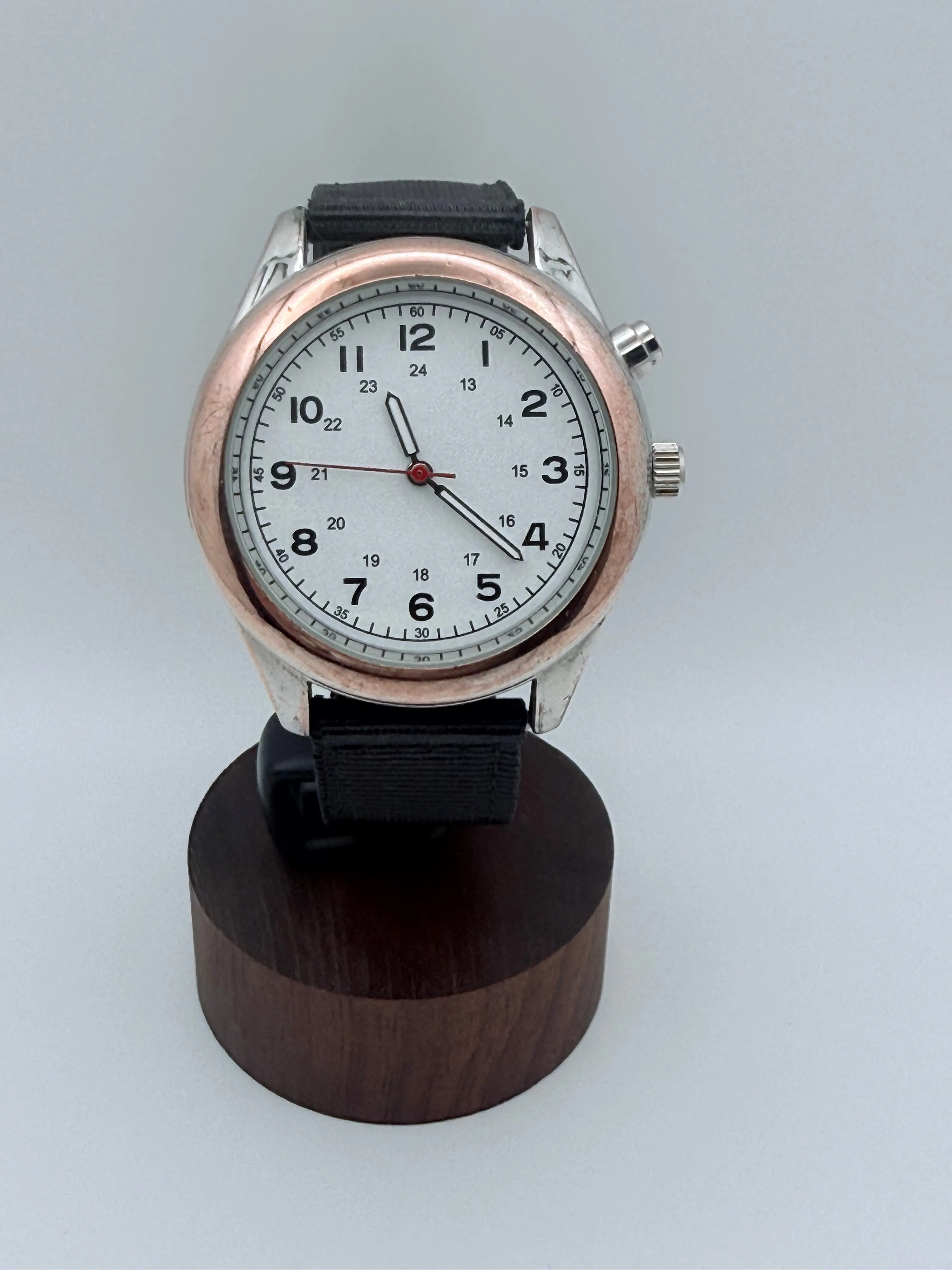
Start by being honest about the use case. For a bedside time check, a restaurant patio, or a walk to the car, modest lume may be enough. For camping, night shifts, diving, or travel through dark spaces, large hands and indices become more important. A clear dial with a little less glow can also be more useful than a busy dial that shines brightly but is hard to decode.
- Prioritize hand shape. You should be able to distinguish the hour and minute hands quickly.
- Look for contrast. Bright lume helps, but dial color and marker shape still matter when the glow fades.
- Check the bezel if relevant. A luminous pip is useful when elapsed-time tracking is part of the watch’s job.
- Read the exact listing. Product photos and specifications tell you more than a broad claim about “luminous hands.”
- Keep expectations realistic. A light-charged dial fades. Buy for reliable readability, not a permanent spotlight.
Water resistance and lume answer different questions. Lume helps you read a watch in darkness. Water resistance helps protect it from moisture. A dive-style watch often offers both because dark-water legibility is a natural design goal, but one feature does not prove the other. If water use matters, read the stated rating and care requirements rather than inferring them from a glowing dial.
How REMI Helps You Choose a Clearer Watch
REMI’s current watch collection includes designs with different dial priorities, from straightforward field styling to bold diver layouts and dress-oriented pieces. The useful first step is the exact product listing, where you can see the hands, markers, photos, and current availability for the watch you are considering. A bright low-light display is most valuable when the rest of the watch also fits your day.
If you want a more rugged, highly legible profile, explore the dive watch collection. If you prefer a simple everyday dial, an automatic field watch can offer a different balance of clarity and character. Movement is another meaningful choice, and the guide to how automatic watches work explains the everyday difference between an automatic movement and a battery-powered quartz watch.
Lume is a detail, but it is a revealing one. It shows whether a watch was designed for a quick glance in the real world, not just a good look in a product photo. Choose the dial that you can read comfortably, in the light you actually live in.
Common Questions
Watch Lume FAQ
Is modern watch lume radioactive?
No. The modern photoluminescent material found on most new watches, including products sold as Super-LumiNova or LumiBrite, stores light and releases it gradually. Tritium tubes are a separate, self-powered technology, and a vintage radium dial should never be opened or scraped at home.
How long should watch lume glow?
It should be brightest right after a good charge, then fade gradually. There is no universal number of hours because pigment quality, application thickness, surface area, light exposure, and your dark-adjusted eyesight all affect what is readable.
Can sunlight damage watch lume?
Normal daylight is how modern photoluminescent lume is meant to charge. Avoid leaving any watch in extreme heat. A short exposure to daylight or a bright indoor light is enough for an everyday comparison.
Why does one watch glow better than another?
The amount and placement of lume matter as much as the material. Broad hands, large markers, and a luminous bezel pip have more material to work with than fine dress-watch indices. A well-charged watch will also look much brighter at first than one that has been in a dim room.
Keep Reading
Related Posts
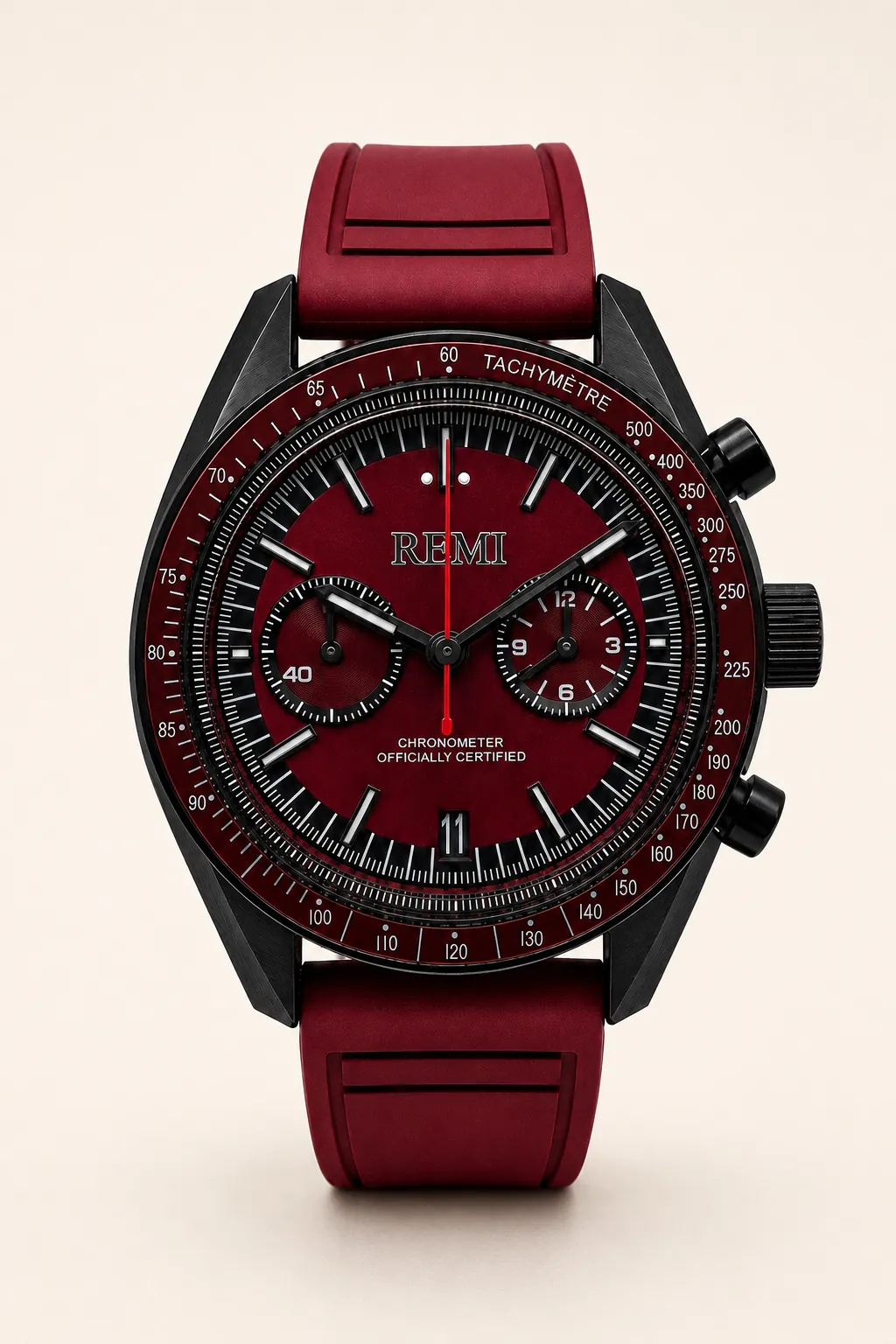
Chronograph Basics
How to Set a Chronograph Watch
Learn what the hands and pushers do, and use the stopwatch with confidence.
Read the guide →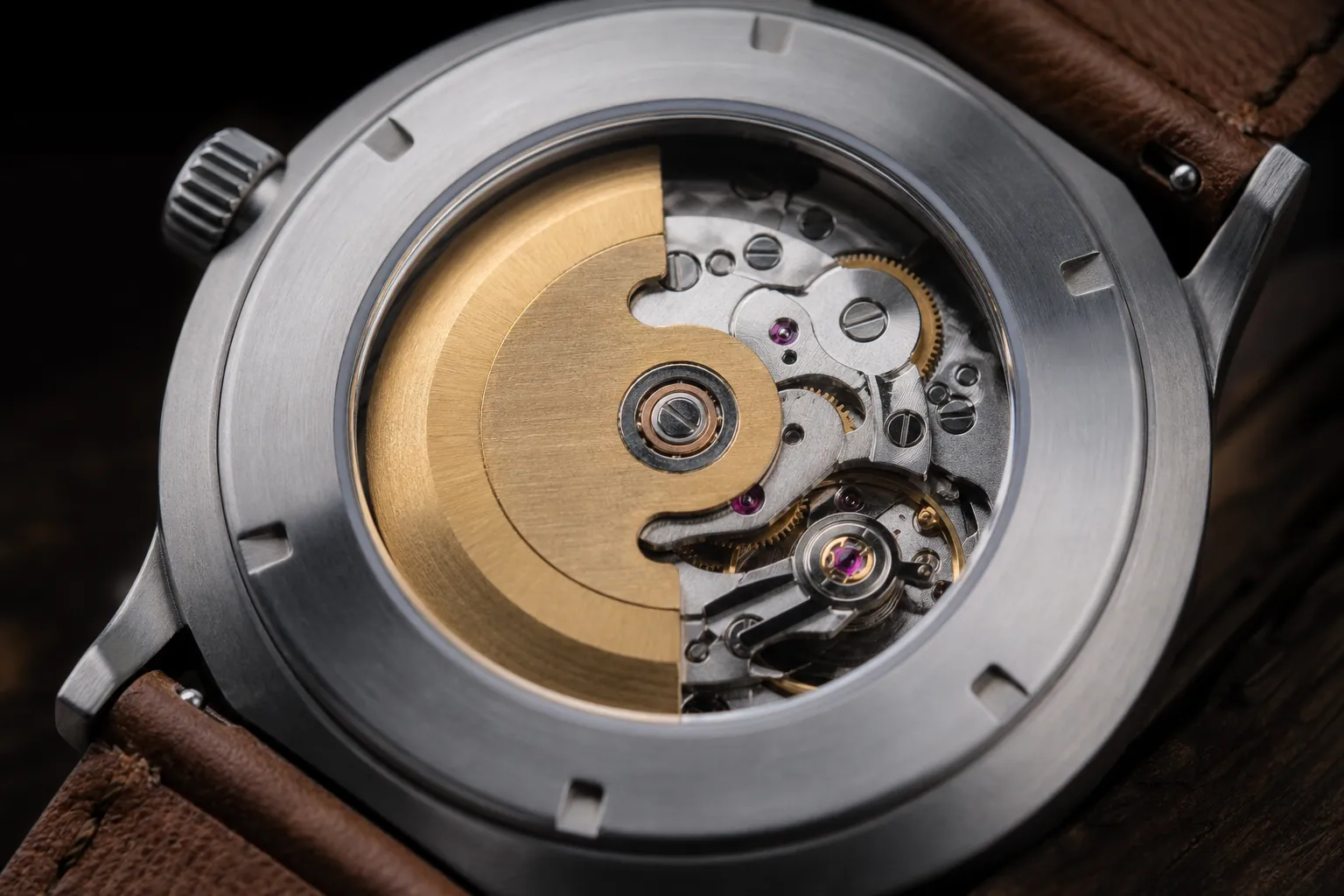
Watch Movements
How Do Automatic Watches Work?
A clear look at the rotor, mainspring, power reserve, and everyday ownership.
Read the guide →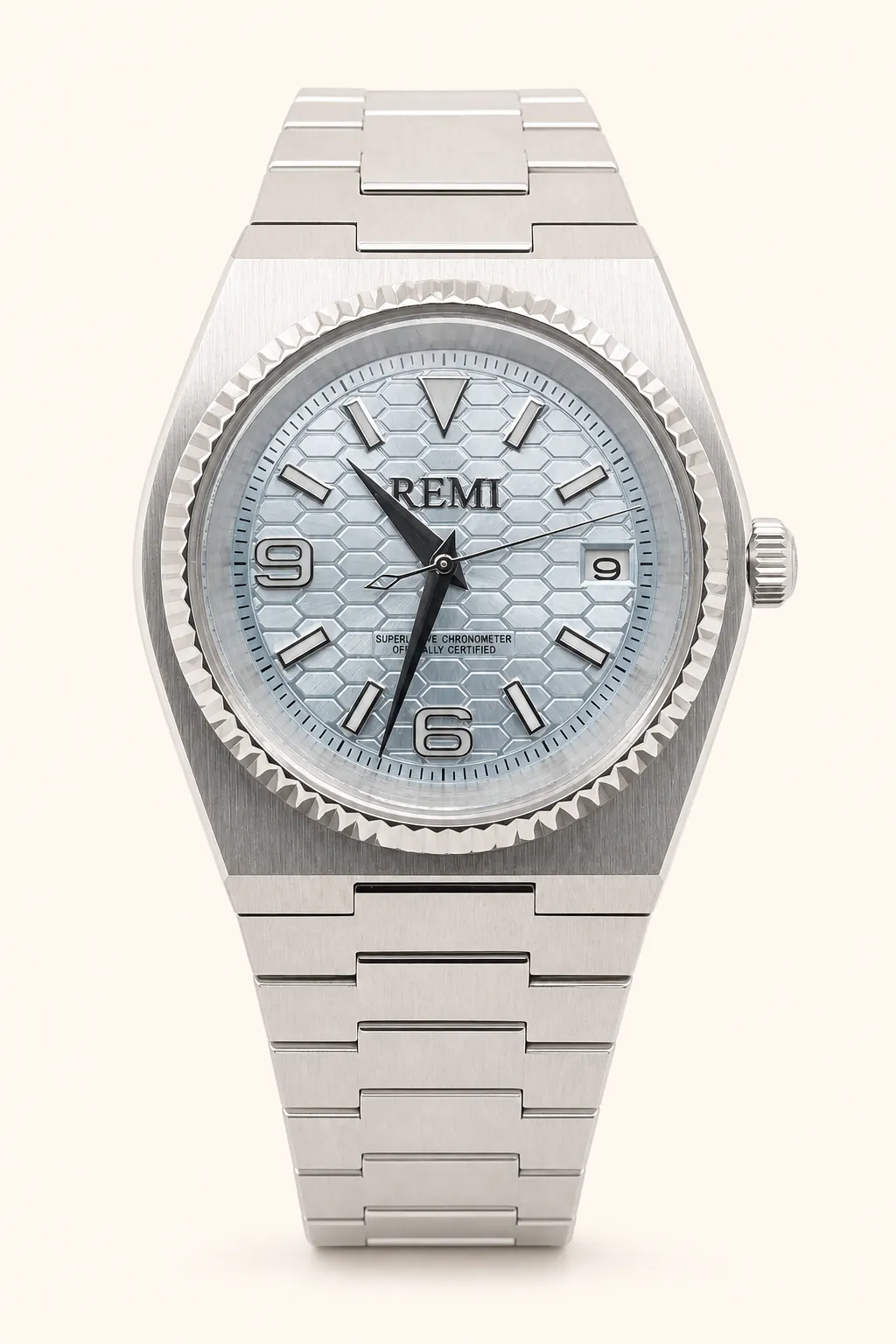
Watch Fit
How Should a Watch Fit?
Learn where a watch should sit and how snug it should feel every day.
Read the guide →