Watch Guides
How Should a Watch Fit? Comfort and Placement
Learn where a watch should sit, how snug it should feel, and how to tell whether the case, strap, or bracelet needs adjusting.
Back to Watch Guides →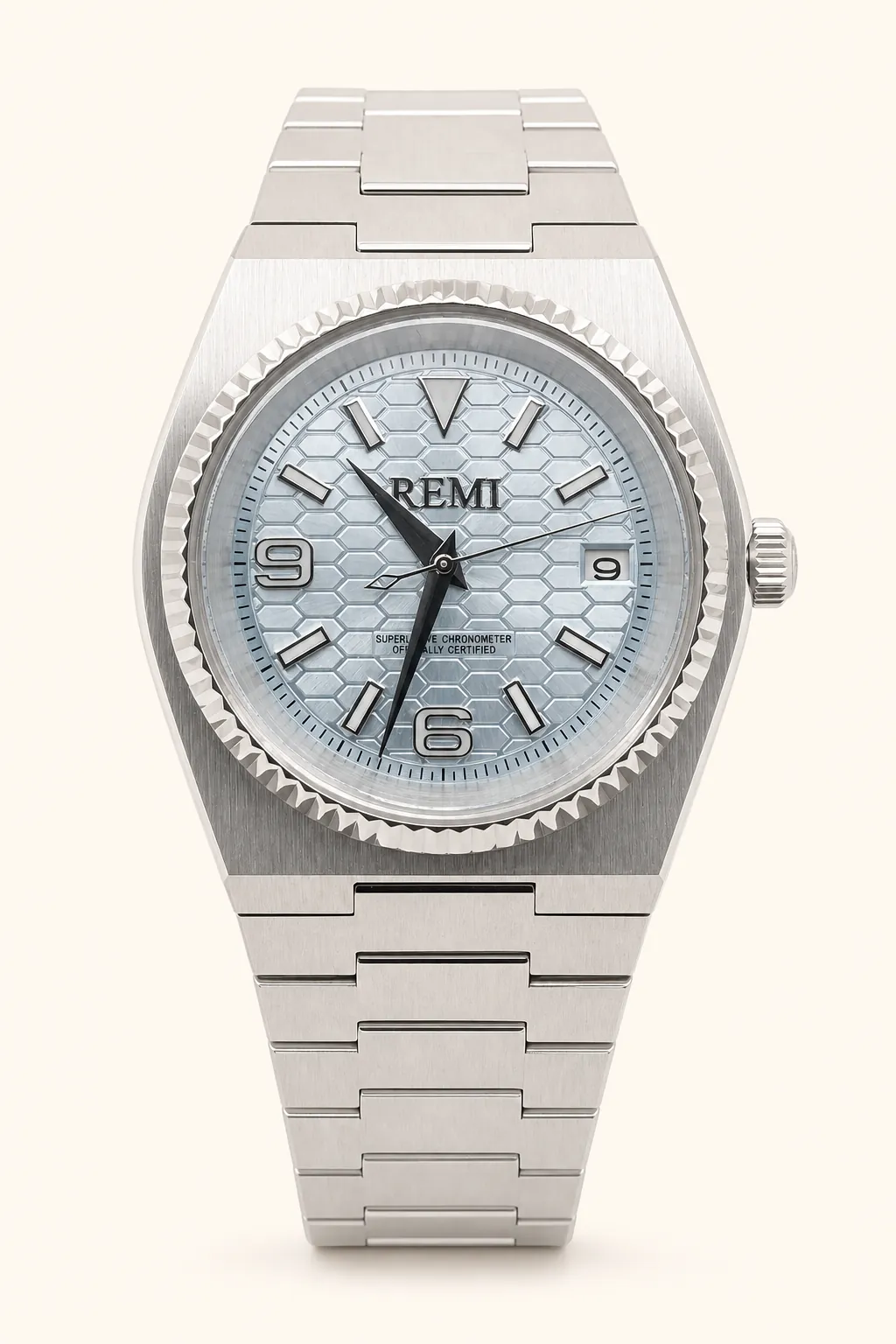
The right watch fit is easy to notice once you know what to look for. It stays out of the way when you move, sits securely without squeezing, and lets the case look intentional on your wrist. You do not need a rulebook or a perfectly measured wrist to get there. Start with placement, then adjust the strap or bracelet until the watch feels settled rather than strapped down.
The Short Answer
A watch should sit just above your wrist bone, toward your forearm. It should be secure enough that the case does not slide onto your hand or spin around your wrist, but loose enough that it does not pinch or leave a deep impression. The case should sit flat and the lugs should usually remain within the top surface of your wrist. If the watch is comfortable through a normal day, it is probably close to right.
The detail that matters is comfort in motion. A watch looks different while you are typing, reaching for a door, driving, or pulling on a jacket. No lug overhang and a secure but comfortable strap are better markers than chasing one rigid sizing rule.
Start Just Above the Wrist Bone
The wrist bone on the outer, pinky-side edge of your wrist is a useful landmark. Most watches wear best a little above it, closer to the forearm. That position gives the case a steadier surface and keeps the crown, pushers, or case edge from pressing into the joint every time you bend your hand.
There is no requirement to wear a watch in exactly the same place as everyone else. A slim dress watch may feel natural a little lower. A thicker diver or chronograph usually benefits from sitting higher so it clears the hand. The practical test is simple: bend your wrist forward and back. If the case repeatedly hits the top of your hand or digs into the wrist bone, move it up and adjust the fit before assuming the watch is the wrong size.
Placement also affects how a watch looks. Sitting too low can make even a modest case appear bulky because the strap angles sharply around the wrist. Sitting just above the bone gives the case room to lie flatter, which makes the dial easier to read and the whole watch feel more balanced.
Snug Is Better Than Tight
A well-fitted watch has a little freedom. It should rotate slightly when you turn your forearm, but it should not drift down onto your hand every time you relax your arm. If the case flips underneath your wrist, catches on a desk, or needs constant repositioning, the strap or bracelet is too loose.
Too tight is just as unhelpful. A strap that presses into the skin, makes the wrist feel warm, or leaves a pronounced mark after a short wear needs another hole or a small bracelet adjustment. A watch does not need to be locked in place to look secure. It needs enough room for ordinary swelling through the day, especially in warmer weather or after activity.
Use your own comfort as the final check. You should be able to slide a fingertip under the strap with gentle pressure, but not pull the watch several inches up and down your arm. Advice on a comfortable watch fit often comes back to that same balance: stable enough to stay put, relaxed enough to move naturally with the wrist.
Check the Case Before Blaming the Strap
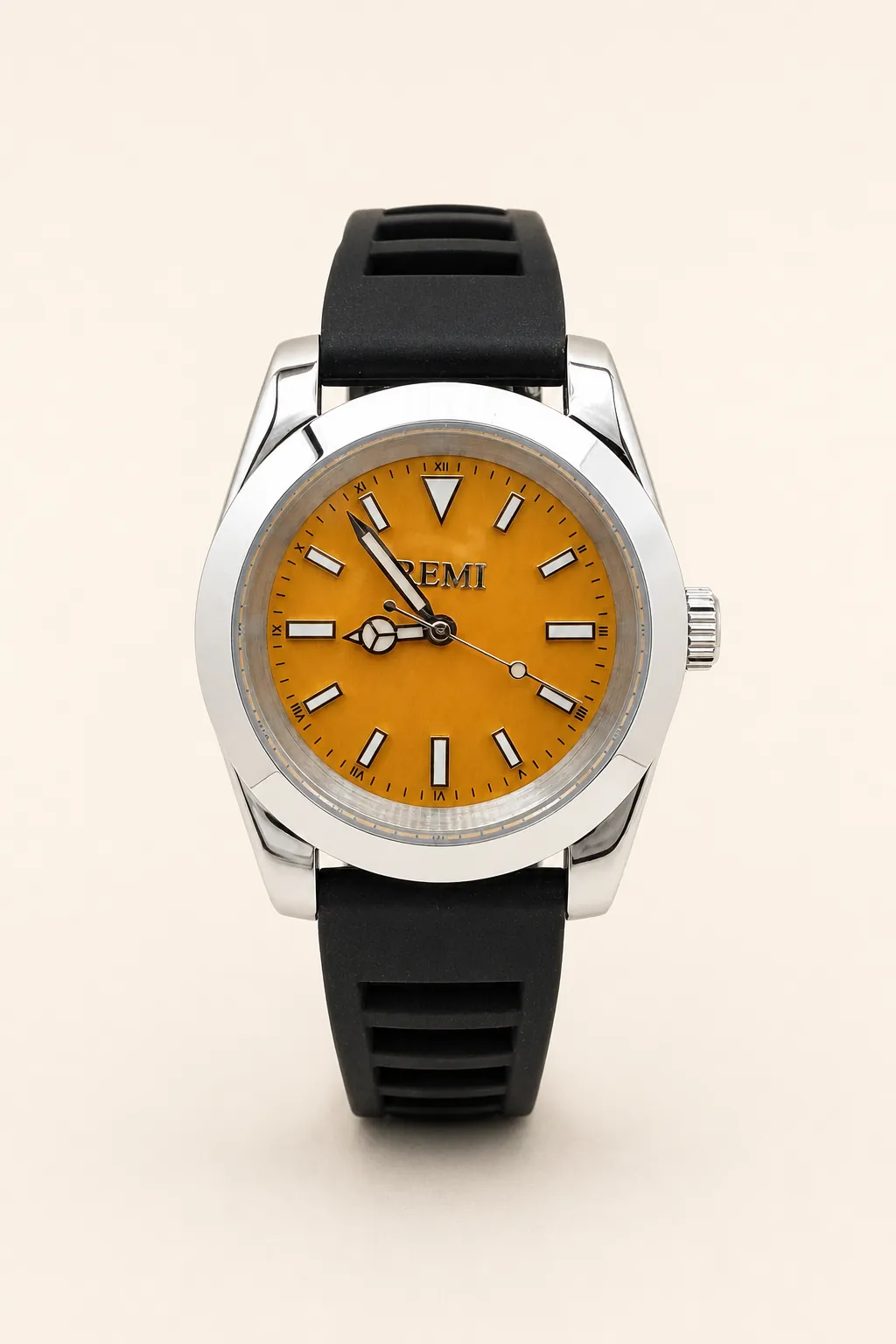
Sometimes a watch feels awkward because the strap is loose. Other times the case is simply long, tall, or broad for the part of the wrist where it sits. Before adjusting anything, look down at the watch from above. The lugs, the arms that hold the strap or bracelet, should usually stay within the top surface of your wrist. If they hang over the sides, the watch may rock even when the strap is correctly fitted.
Case diameter is useful, but it is not the full story. Lug-to-lug length often tells you more about how much of your wrist the watch will cover. A compact 40 mm dive watch with curved lugs can wear more comfortably than a 38 mm watch with long, straight lugs. Thickness matters too. A tall case can feel top-heavy when worn low or on a narrow strap, even if its diameter is reasonable.
Use the watch you already enjoy wearing as a personal baseline. Measure its case diameter and, if possible, its lug-to-lug length. Then compare those dimensions with a new watch. Our guide to measuring watch size for a better fit walks through the measurements that make those comparisons useful without turning a purchase into a geometry problem.
Adjust a Bracelet for a Centered Case
With a metal bracelet, the goal is not just circumference. The clasp should sit roughly centered underneath the wrist, and the case should stay centered on top. When a bracelet has removable links, take them out as evenly as possible from both sides. Removing every link from one side can leave the clasp off-center and make the watch feel as though it is always leaning.
Many bracelets also have a small adjustment at the clasp. That fine adjustment is useful when one full link is too much of a change. It is also helpful in summer, when wrists naturally run a little fuller. If the bracelet has a micro-adjustment, start there before removing or adding links.
After an adjustment, wear the watch for ten minutes instead of judging it at the workbench. Type, reach for something, and let your arm hang at your side. A bracelet can feel good while you are standing still but reveal a sharp edge or a loose fit once the wrist starts moving. The best result feels forgettable in the right way: you stop thinking about the bracelet and just wear the watch.
Use the Strap Material to Your Advantage
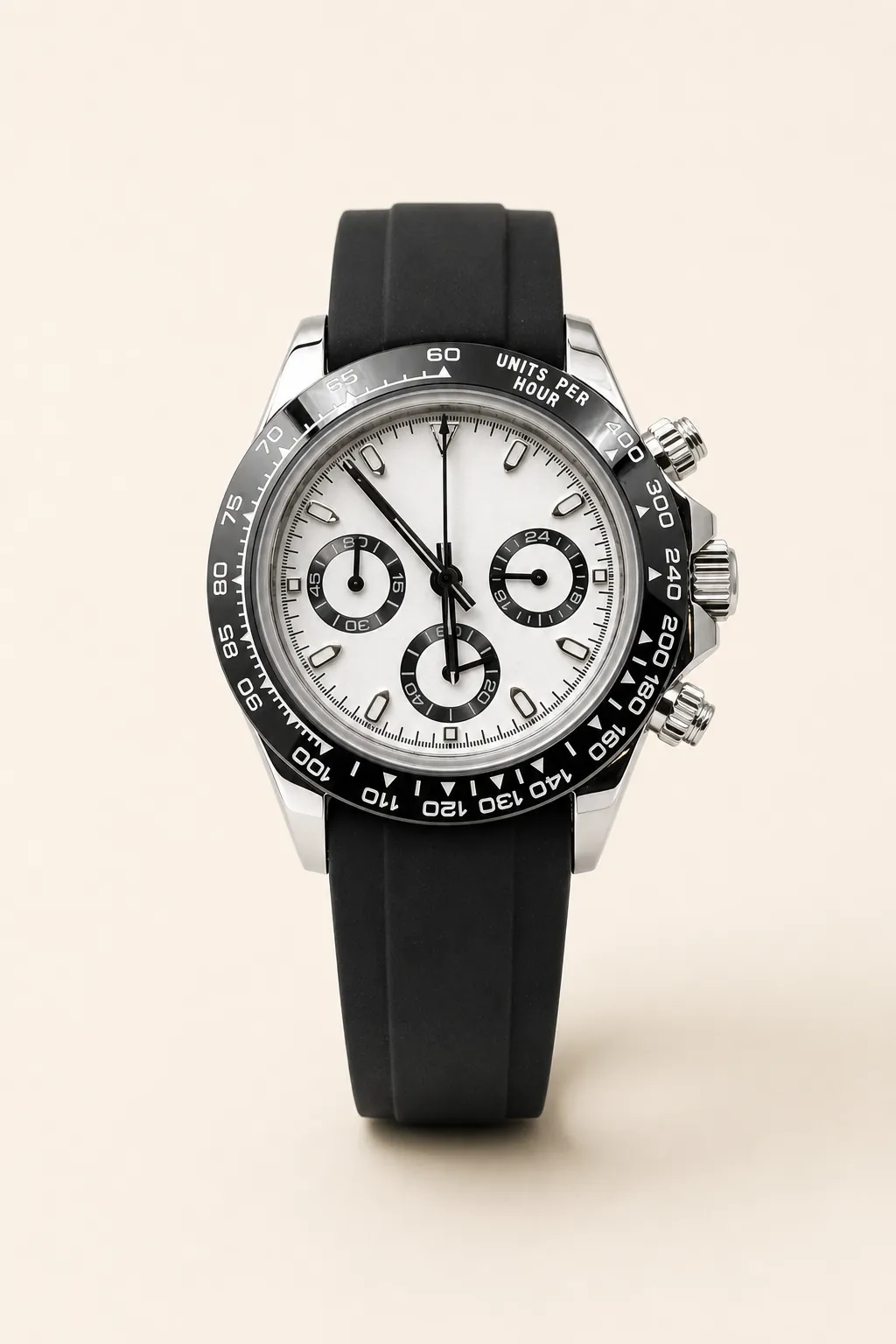
Different materials change the feel of the same watch. Leather usually softens and settles with wear, but it can feel firmer on the first few outings. Nylon gives you precise hole-by-hole adjustment and suits active days. Rubber handles sweat and water well, though it can feel warmer in summer. A bracelet feels structured and often needs a one-time sizing adjustment plus the occasional fine-tune at the clasp.
Do not pull a leather strap tight just to stop a case from moving. Give the watch a chance to sit in the right position first, then choose the closest comfortable hole. If the best hole is still not quite right, a shorter or longer strap may solve the issue more cleanly than forcing the fit. The same goes for a bracelet that is between link sizes. A small clasp adjustment is usually better than living with a watch that is always slightly wrong.
For standard spring-bar watches, changing the material can be a practical way to improve comfort or give a familiar piece a different role. Our guide to changing a watch strap at home explains how to make that swap carefully and check that the attachment is secure.
Know the Difference Between Style and Discomfort
Watch fit is personal. Some people like a compact dress watch that sits close to the wrist. Others prefer a wider field watch or a larger dive-watch profile. Those choices can all work when the case is stable and the strap or bracelet is comfortable. A larger visual presence is not automatically a poor fit.
Discomfort is the more useful warning sign. Repeated pressure on the wrist bone, numbness, a case that catches on your hand, lugs that overhang, or a watch that constantly rotates are practical reasons to change something. Start with placement and the strap or bracelet. If that does not solve it, look for a shorter lug-to-lug length, a thinner case, or a different shape next time.
Wrist size is only one part of the wearing experience. Case dimensions, thickness, strap material, and personal preference all matter together. There is no universal number that can replace trying a watch in normal movement.
Recheck the Fit Through a Normal Day
Wrist size is not perfectly fixed from morning to night. Heat, movement, hydration, and long stretches at a desk can all make a comfortable bracelet feel different a few hours later. That does not mean a watch needs to be loose. It means the best fit leaves a little room for the day to happen.
Try a new adjustment on an ordinary day rather than only in front of a mirror. Put the watch on in the morning, then notice it after a walk, a meal, a drive, and a few hours of work. If you keep wanting to move it, the fit deserves another look. If you forget it is there until you check the time, you have probably found the right balance.
Season matters too. A leather strap that feels ideal in cool weather may need one more hole in summer. A bracelet with a micro-adjustment gives you a simple way to make that small change without taking links in and out. Keep the adjustment modest. A watch should accommodate normal comfort changes without becoming a different fit every afternoon.
How REMI Helps You Find a Better Fit
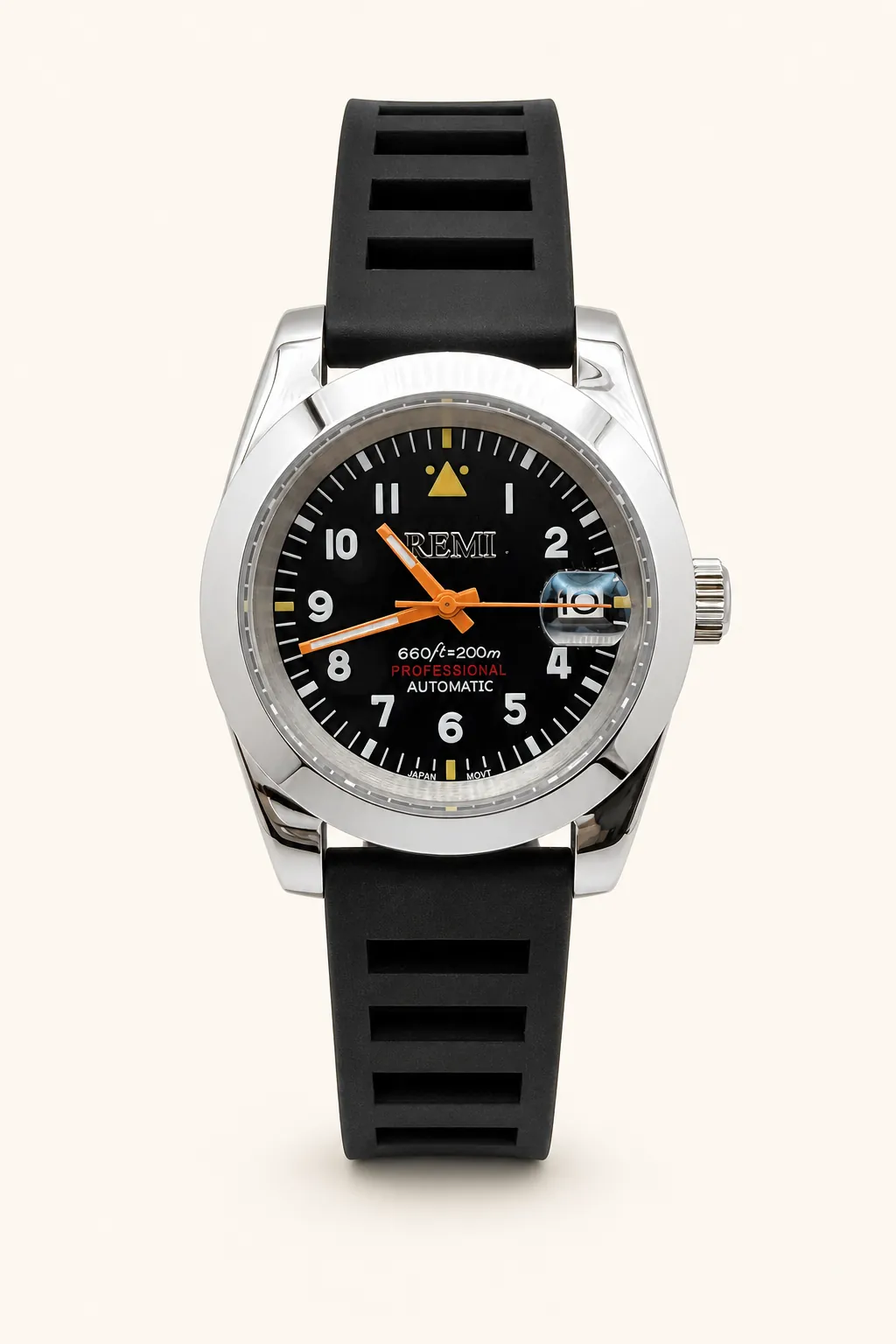
REMI’s range gives you several ways to compare how a watch will wear. The Horizon Sport has an integrated-bracelet profile for a clean, continuous fit. The Monarch Dress offers a more traditional dress-watch direction, while the automatic field watch collection brings an everyday, easy-to-read shape into the rotation.
When you are deciding between two sizes or are unsure about a bracelet, use the product dimensions as a starting point and compare them with a watch you already like wearing. For a restored find, pay attention to the condition of the bracelet, clasp, and spring bars as well as the case size. The pre-owned watch collection explains what makes each piece distinct, and the REMI contact page is available for a specific fit question before you choose.
A Quick Watch-Fit Checklist
- Wear the watch just above the wrist bone, toward the forearm.
- Adjust it so the case moves a little but does not slide down onto your hand.
- Make sure the strap or bracelet does not pinch, overheat, or leave a deep mark.
- Check that the case sits flat and the lugs do not hang over the wrist.
- Center a bracelet clasp underneath the wrist when possible.
- Judge the fit after normal movement, not only while standing still.
- Use a watch you already enjoy as a reference for future case dimensions.
A watch should feel like part of your day, not an object you keep readjusting. Place it above the wrist bone, set the strap or bracelet for comfortable stability, and give the case enough room to sit naturally. Once you know those basics, browsing the current REMI collection becomes a much more confident decision.
Common questions
Watch Fit FAQ
How tight should a watch fit?
A watch should be snug enough to stay above your hand when you move, but loose enough that it does not pinch, leave a deep mark, or make your skin feel warm and pressured. It should move a little when you rotate your wrist, not spin freely around it.
Where should a watch sit on the wrist?
Most people find the most comfortable position just above the wrist bone, toward the forearm. There is more stable, flatter surface there than directly on the bone or down on the hand, so the case is less likely to dig in or interfere with movement.
Should a watch slide on the wrist?
A small amount of movement is normal. A watch that travels down onto the hand, turns upside down, or regularly catches on the wrist bone is too loose. A watch that stays fixed but feels restrictive is too tight.
How do I know if a watch case is too big?
Look at the lugs, not only the dial diameter. If the lugs extend beyond the top surface of your wrist, the watch rocks from side to side, or the strap pulls sharply downward from the case, try a shorter lug-to-lug length or a smaller case shape.
Keep reading
Related Posts
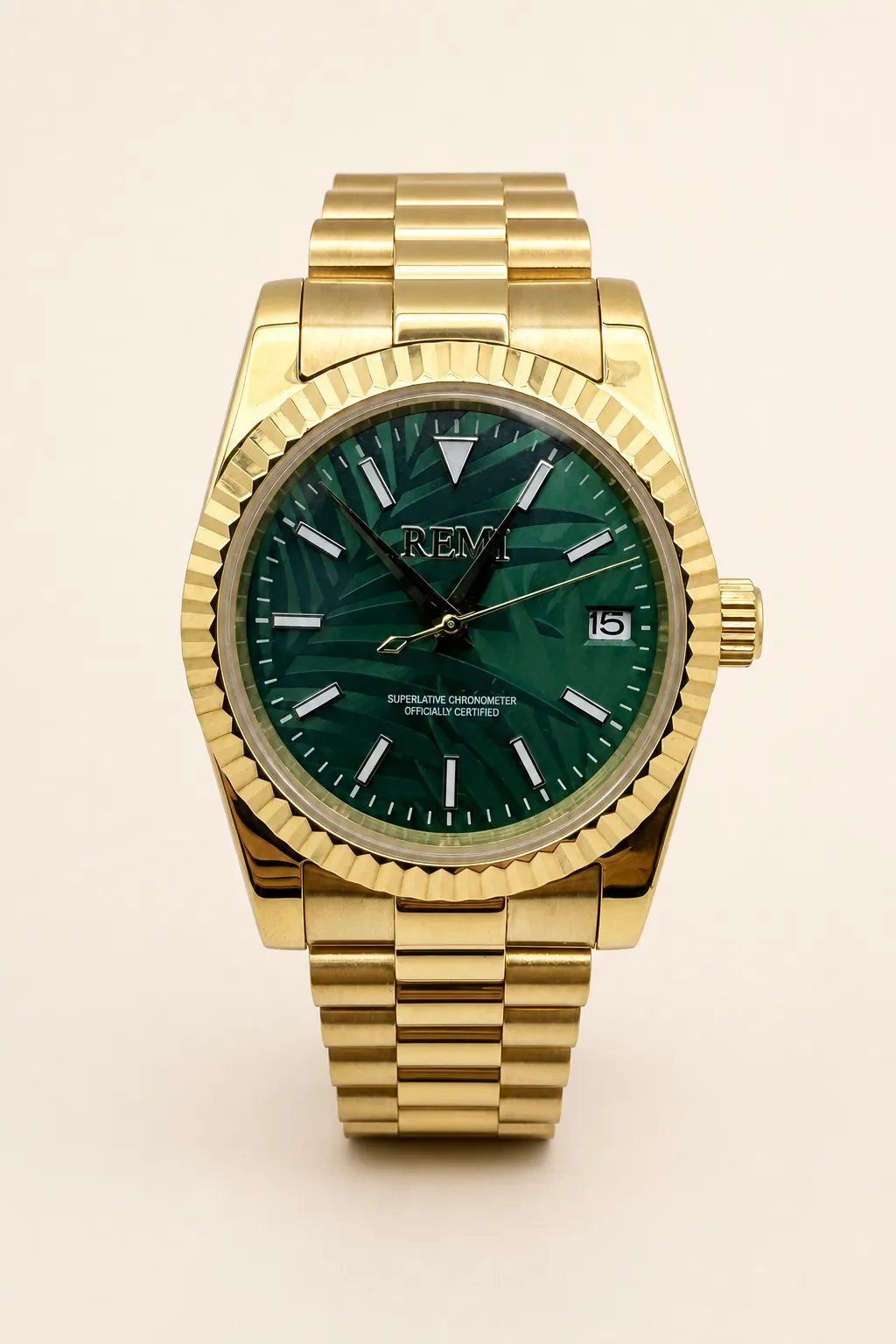
Watch fit
How to Measure Watch Size for a Better Fit
Measure your wrist, case, lug-to-lug length, and strap width before choosing a watch.
Read the guide →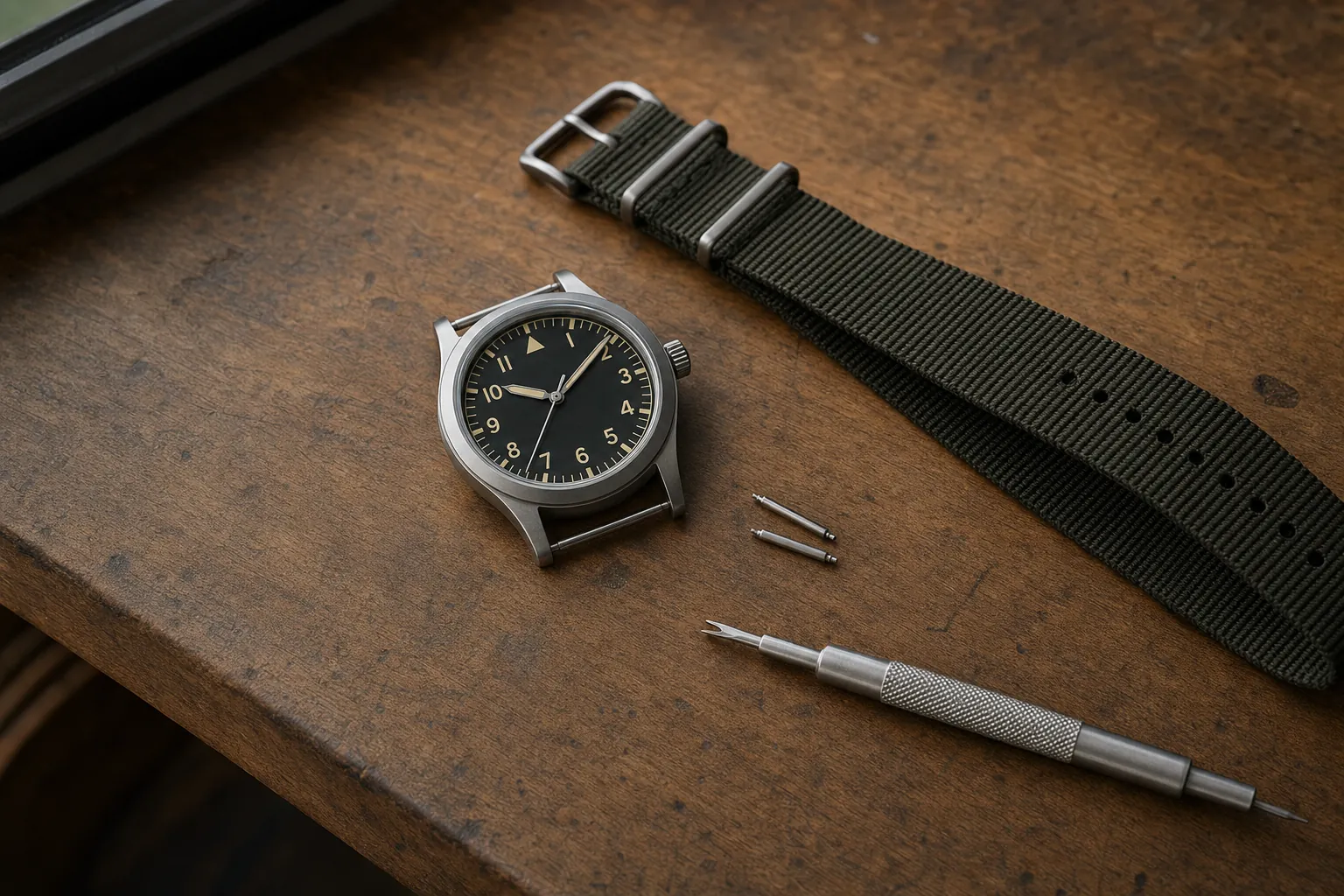
Watch care
How to Change a Watch Strap at Home
Choose the right fit, swap a standard strap, and make sure it is secure.
Read the guide →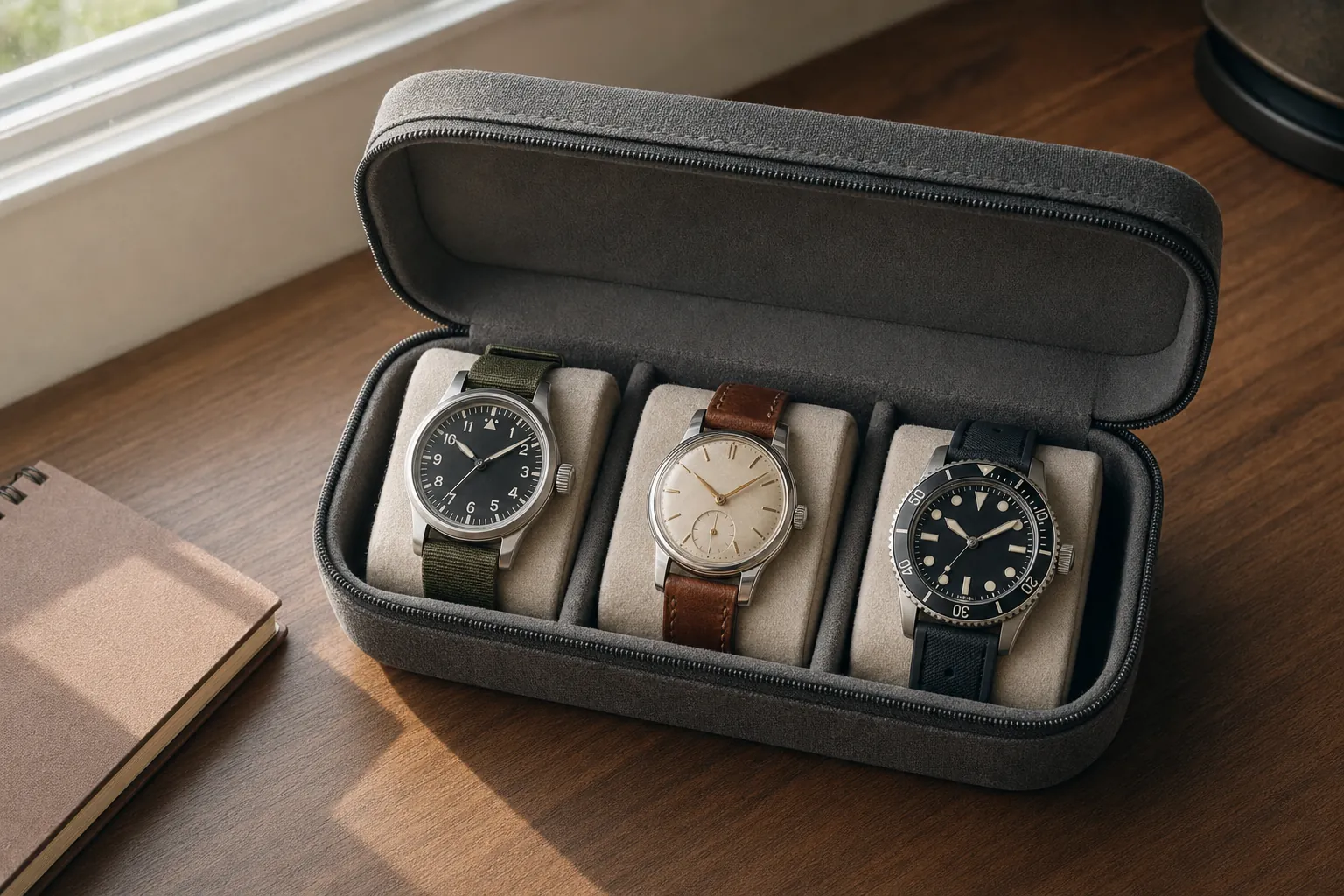
Watch care
How to Store Watches Without Damaging Them
Practical storage advice for daily wear, travel, automatic watches, and restored finds.
Read the guide →