Watch Guides
How to Wind an Automatic Watch Safely
A calm, practical guide to winding an automatic watch, setting it up after it stops, and knowing when to stop.
Back to Watch Guides →
A stopped automatic watch usually needs just a few quiet minutes, not a dramatic rescue. Take it off, find the crown’s normal winding position, turn it gently, then set the time. The routine is simple once you know what each crown position does. The one rule worth remembering is even simpler: a crown should never need force.
The Short Answer
To wind an automatic watch, remove it from your wrist and make sure the crown is fully pushed in unless your model has a screw-down crown. Turn the crown clockwise in small, smooth turns until you have followed the movement maker’s guidance. Then pull the crown to the correct setting position, set the time, and push or screw the crown back into place.
That is the basic process, but it is not a universal instruction card. Different movements use different crown positions, date systems, and winding recommendations. The safest approach is to learn the exact movement in your watch, especially if it is vintage, has a screw-down crown, or has a date display. The Fondation de la Haute Horlogerie’s overview of automatic winding is useful background: wrist motion winds the mainspring through a rotor, but a manual wind through the crown can start that stored energy after the watch has been sitting.
Before You Turn the Crown
Start by taking the watch off. Winding it while it is still on your wrist puts the crown at an awkward angle and makes it harder to feel whether it is turning smoothly. A watch is a small mechanical object, and giving it a straight, controlled turn is kinder than working around your own wrist.
Next, look at the crown. A standard push-pull crown sits against the case when it is in its normal position. A screw-down crown first needs to be unscrewed counterclockwise until it springs free into its normal winding position. Do not confuse unscrewing the crown with winding the movement. Once free, it can be wound in the direction specified for the movement, usually clockwise.
If you own a pre-owned or restored watch, pause before assuming it follows modern rules. A previous owner, an older movement, or a worn crown can change what feels normal. That does not make the watch fragile, but it does make the model’s own information more valuable than a generic online answer.
How to Wind an Automatic Watch, Step by Step
- Set the watch on a stable surface or hold the case firmly. Use one hand to support the case and the other to turn the crown. The goal is steady, straight pressure, not speed.
- Release a screw-down crown if your watch has one. Turn it counterclockwise only until it pops into its first position. Stop there. Pulling it farther out changes the function from winding to setting.
- Confirm you are in the winding position. On many watches, this is the crown’s first, fully seated position after a screw-down crown is released. A pull to the next position may adjust the date, and a further pull may set the time.
- Turn the crown gently in the recommended direction. Most modern automatic movements are wound clockwise. Each turn should feel smooth and deliberate. You are loading energy into the mainspring, not trying to spin the crown as fast as possible.
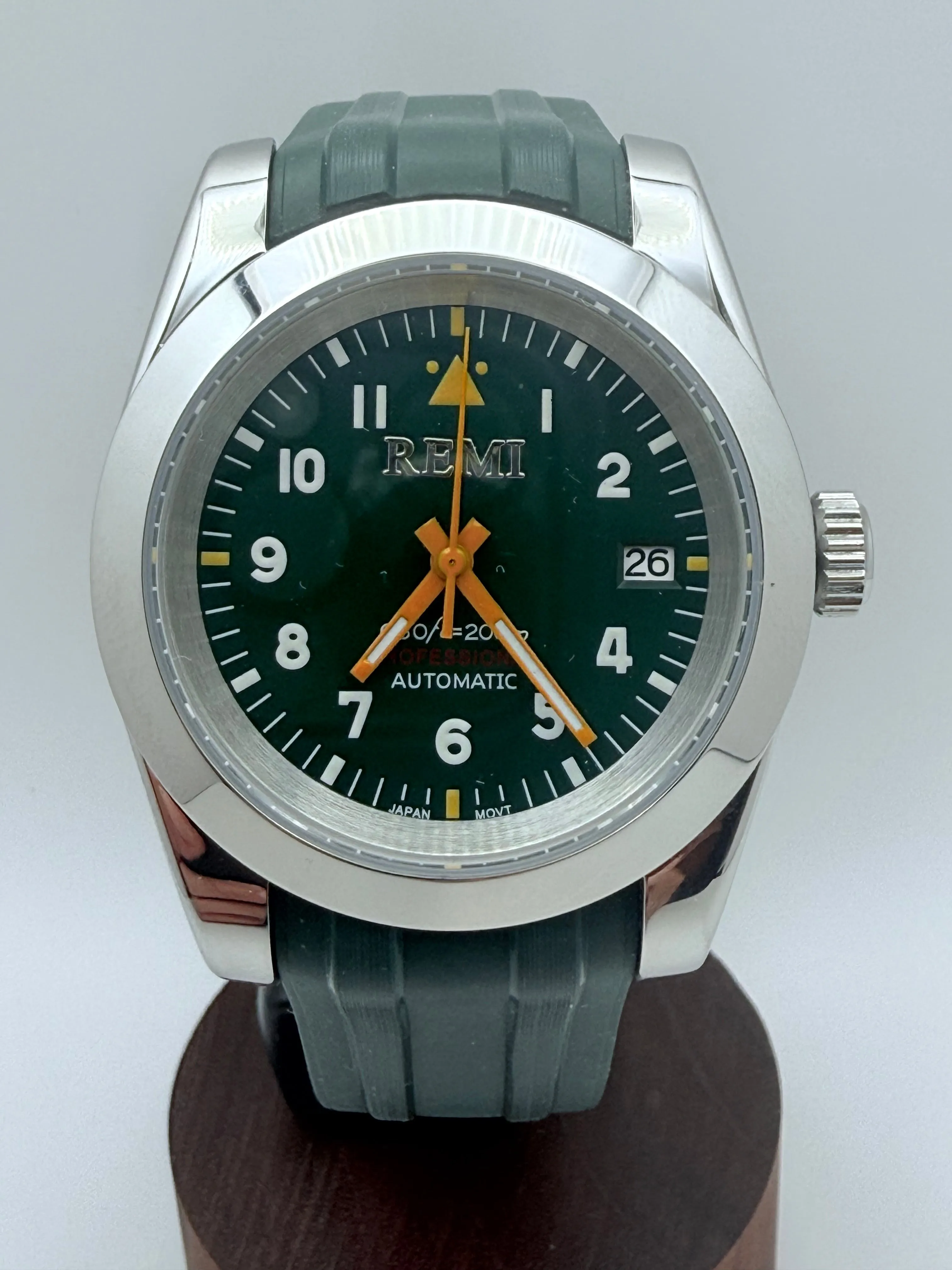
- Use the maker’s guidance for the number of turns. For the TMI NH35 used in several REMI automatic watches, Time Module’s NH35 operating manual recommends winding the crown clockwise at least 55 times to fully wind the mainspring. That is a useful example, not a number to apply to every automatic watch.
- Set the time only after the watch is running. Pull the crown to the time-setting position, set the hands forward to the correct time, then return the crown to its normal position. If the crown screws down, press it lightly toward the case and turn clockwise to secure it without cross-threading.
If the watch begins running after a few turns, that is a good sign, but it does not necessarily mean the reserve is full. A small initial wind gets the movement moving. A fuller wind gives it a better start before you put it on for the day.
How Many Turns Does It Need?
The honest answer is: whatever the movement manual says. People often trade a universal number because it feels satisfying, but an automatic movement is not defined by one count. Some models need only a brief start before regular wear takes over. Others have a published recommendation for a full wind. The NH35 example is clear because its own manual gives a number, but the manual for another caliber may say something different.
A practical habit is to give a stopped automatic enough gentle turns to get it running, then follow the model’s instructions if you want to build a full reserve. If you cannot find the instructions, ask the seller or a watchmaker before turning the crown dozens of times just because a forum said to do so.
Manual Winding Versus Everyday Wear
Manual winding and automatic winding do different jobs. Turning the crown gives a stopped watch a controlled starting reserve. Wearing it keeps that reserve moving in the background through the rotor. Neither one replaces the other completely. A watch that comes off your wrist on Friday and returns on Monday may need a wind and reset. A watch worn most days may not need any attention beyond an occasional time check.
How much movement is enough varies from person to person. A day at a desk can still be perfectly normal wear, but someone who takes the watch off soon after breakfast may not add the same reserve as someone who wears it through a full day. Do not respond by shaking the watch aggressively. If regular, real-world wear never seems to keep it going, the useful next step is to check the movement’s stated reserve and have the watch assessed if the pattern continues.
A watch winder can be convenient for a collection with calendar complications, but it is not a requirement for a simple automatic. Many owners would rather let a watch rest, then enjoy the small reset ritual when they return to it. The best routine is the one that suits how you actually rotate and wear your watches.
Can You Overwind an Automatic Watch?
With many modern automatic movements, normal winding is designed to be manageable because the mainspring uses a slipping bridle once it is fully tensioned. That is why a careful owner does not need to panic about every extra turn. It is also why “you can never overwind it” is too casual. The crown, stem, threads, seals, and gears still deserve gentle handling.
Do not test the limit. If the crown feels sandy, unusually tight, wobbly, or as though it is not catching its threads properly, stop. That feeling is not a challenge to overcome. It is useful information. Putting the crown back in its normal position and asking for model-specific advice costs less than forcing a part that should move smoothly.
When to Set the Date
A date display adds one important caution. The date mechanism often begins its changeover late in the evening and finishes it in the early morning. Adjusting the date during that changeover window can interfere with parts that are already moving into place. For the NH35, Time Module’s manual says not to set the date between 9:00 p.m. and 4:00 a.m.
When you are unsure whether the hands are showing morning or evening, move the time forward past 12:00 and watch whether the date changes. Once you know where you are in the 24-hour cycle, set the date during a safer daytime hour, then set the correct time. It takes a little longer the first few times, but it becomes routine quickly.
What to Do After Winding
Once the watch is running and the time is set, push the crown all the way back to the case. If it uses a screw-down crown, line up the threads gently, press lightly inward, and turn clockwise. A crown should thread in smoothly. If it does not, back it off and try again. Forcing it can damage the threads and compromise the watch’s water resistance.
Then wear the watch normally. Your movement keeps its reserve topped up through ordinary motion. You do not need to swing your arm around, shake the case, or use winding as a daily ritual unless your model’s instructions call for it. The point is to give the movement a proper start and let it do the job it was built to do.
When a Stopped Watch Needs More Than Winding
A watch that has simply run down is ordinary. A watch that stops again after a proper wind and normal wear may be telling you something else. It could be magnetism, a worn movement, a lubrication issue, a crown problem, or a power-reserve issue. Those are not problems to diagnose by repeatedly winding harder.
Pay attention to patterns. Does it stop at the same time each day? Does the crown feel different than it used to? Is it losing a surprising amount of time? Has it had a hard knock or a close encounter with a strong magnet? These details help a watchmaker work out what is happening. For new REMI watches, start with the warranty and care information. For a question about a specific model, use the REMI contact page before guessing.
Choosing an Automatic You Will Actually Wear
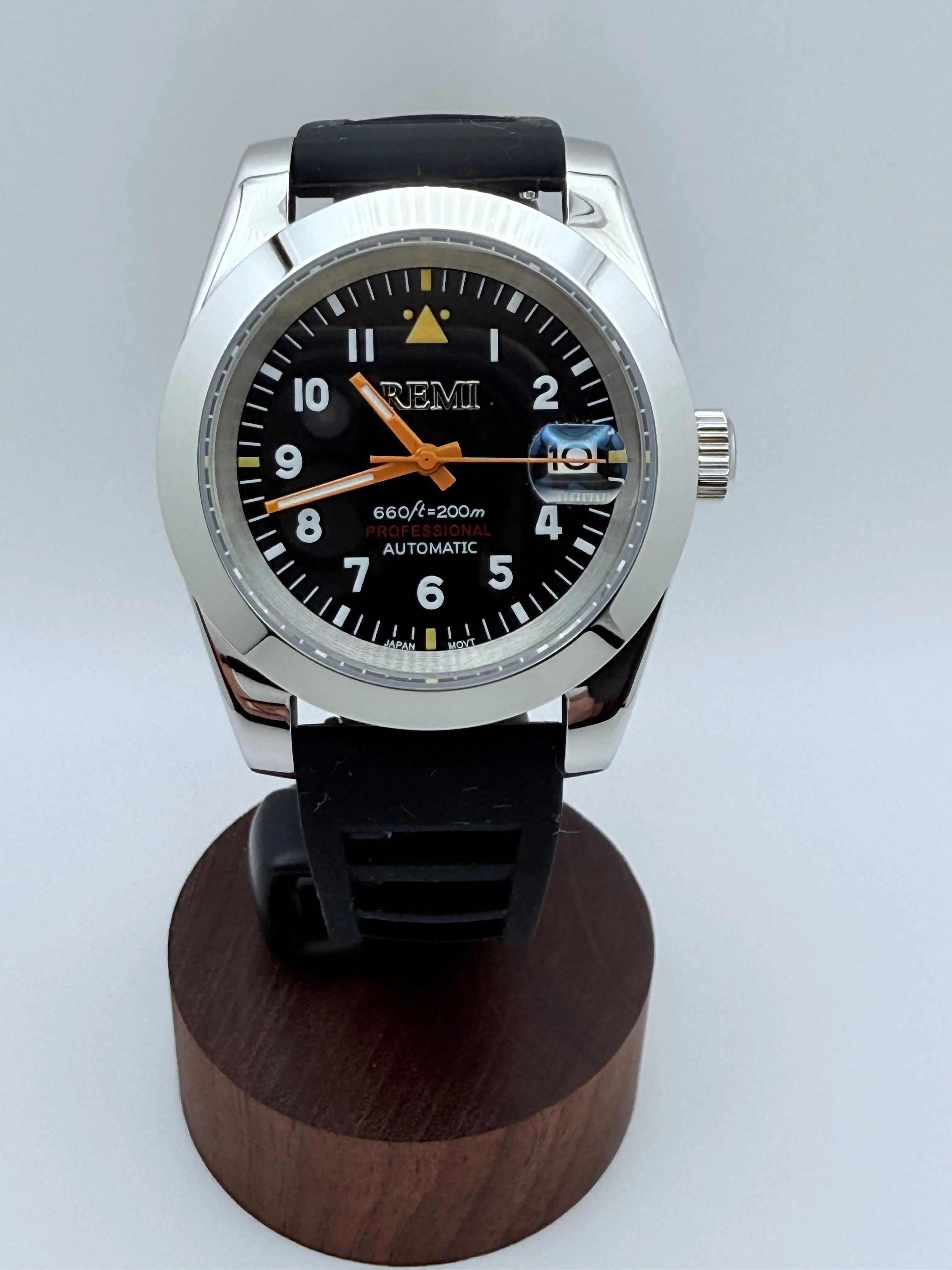
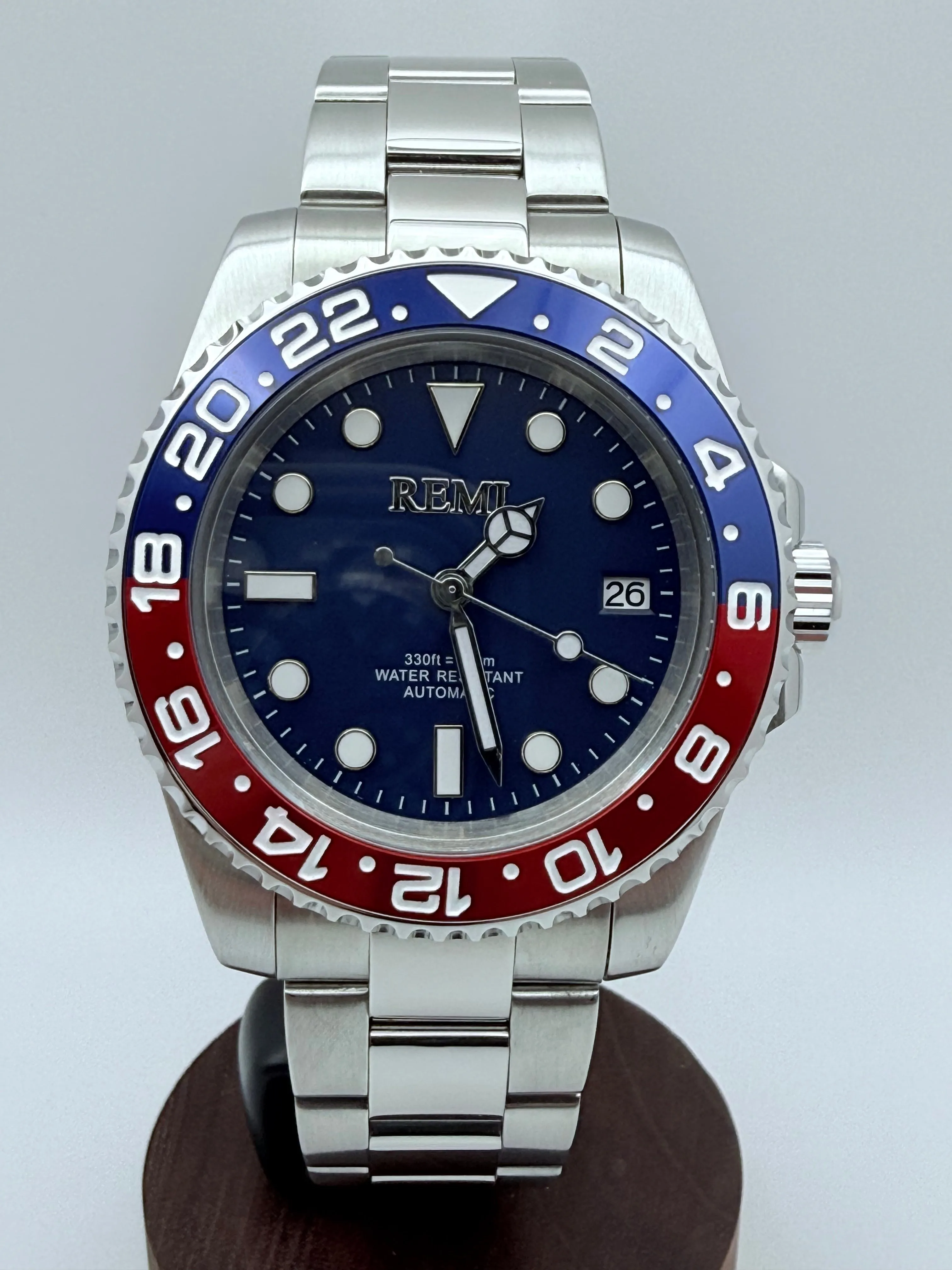
The easiest automatic watch to own is one you want to put on. Regular wear is what keeps an automatic movement moving, so the best fit is often a practical watch that belongs in your usual routine. REMI's automatic field watches make a straightforward everyday option, while the Atlantis Diver Pepsi brings the same mechanical ritual to a more robust dive-watch profile.
REMI hand-assembles mechanical watches in Florida and also restores carefully selected pre-owned pieces. That is why the sensible advice is always model-aware. A modern automatic can be a relaxed daily companion, while an older watch may ask for a little more care. Either way, a smooth crown and a few informed minutes are enough to make winding feel like part of owning the watch, not a chore around it.
A Simple Automatic-Watch Routine
- Take the watch off before winding or setting it.
- Release a screw-down crown before turning it.
- Wind in the direction and amount recommended for that movement.
- Never force a crown, date setting, or thread.
- Set a date only when the movement is outside its changeover window.
- Return the crown fully to the case before wearing the watch.
That is all most owners need. If you want the mechanical background behind the routine, read how automatic watches work. It explains how the rotor, mainspring, gear train, and balance work together once the watch has the energy to run.
Common questions
Winding an Automatic Watch FAQ
How many turns should I give an automatic watch?
The right number depends on the movement. For example, Time Module recommends at least 55 clockwise crown turns to fully wind the mainspring in its NH35 movement. Start with the instructions for your own watch rather than copying a number from another model.
Can I wind an automatic watch while wearing it?
It is better to take the watch off first. Holding the case steady in one hand gives the crown a straighter, gentler turn and makes it easier to notice resistance before you apply too much pressure.
Can an automatic watch be overwound?
Many modern automatic movements are designed to prevent ordinary winding from damaging the mainspring, but that is not a reason to force a crown. Wind only as the maker instructs, and stop if the crown feels gritty, unusually tight, or misaligned.
Why does my automatic watch stop even though I wound it?
The watch may not have built enough reserve, may need more regular wear, or may have a problem that needs attention. If it stops repeatedly after a proper wind and normal use, do not keep forcing the crown. Ask a qualified watchmaker or contact the seller for model-specific help.
Keep reading
Related Posts

Watch care
How to Clean a Watch Strap Without Damage
A material-by-material care guide for leather, nylon, rubber, and metal bracelets.
Read the guide →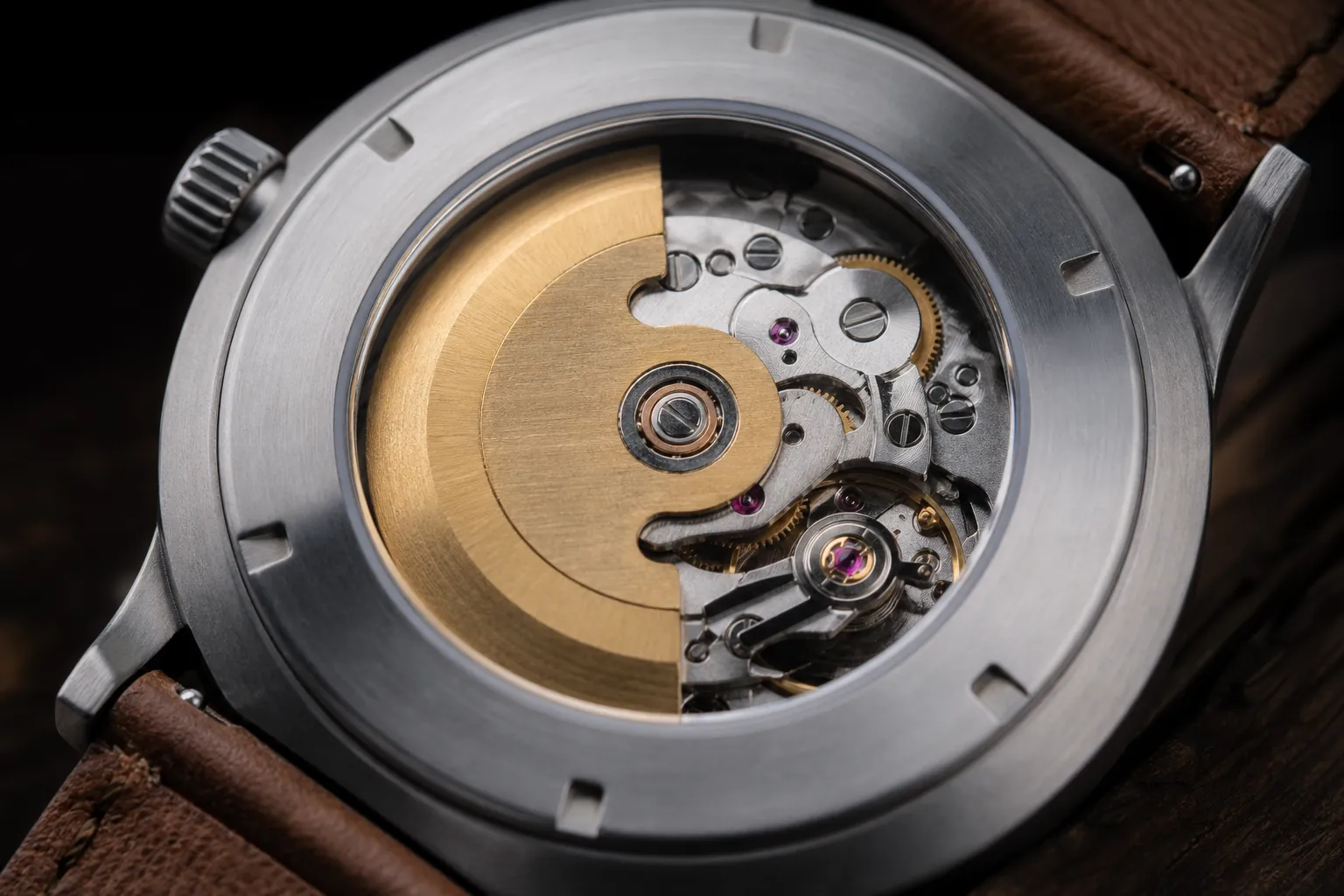
Automatic movements
How Do Automatic Watches Work?
See how the rotor, mainspring, power reserve, and balance turn daily movement into time.
Read the guide →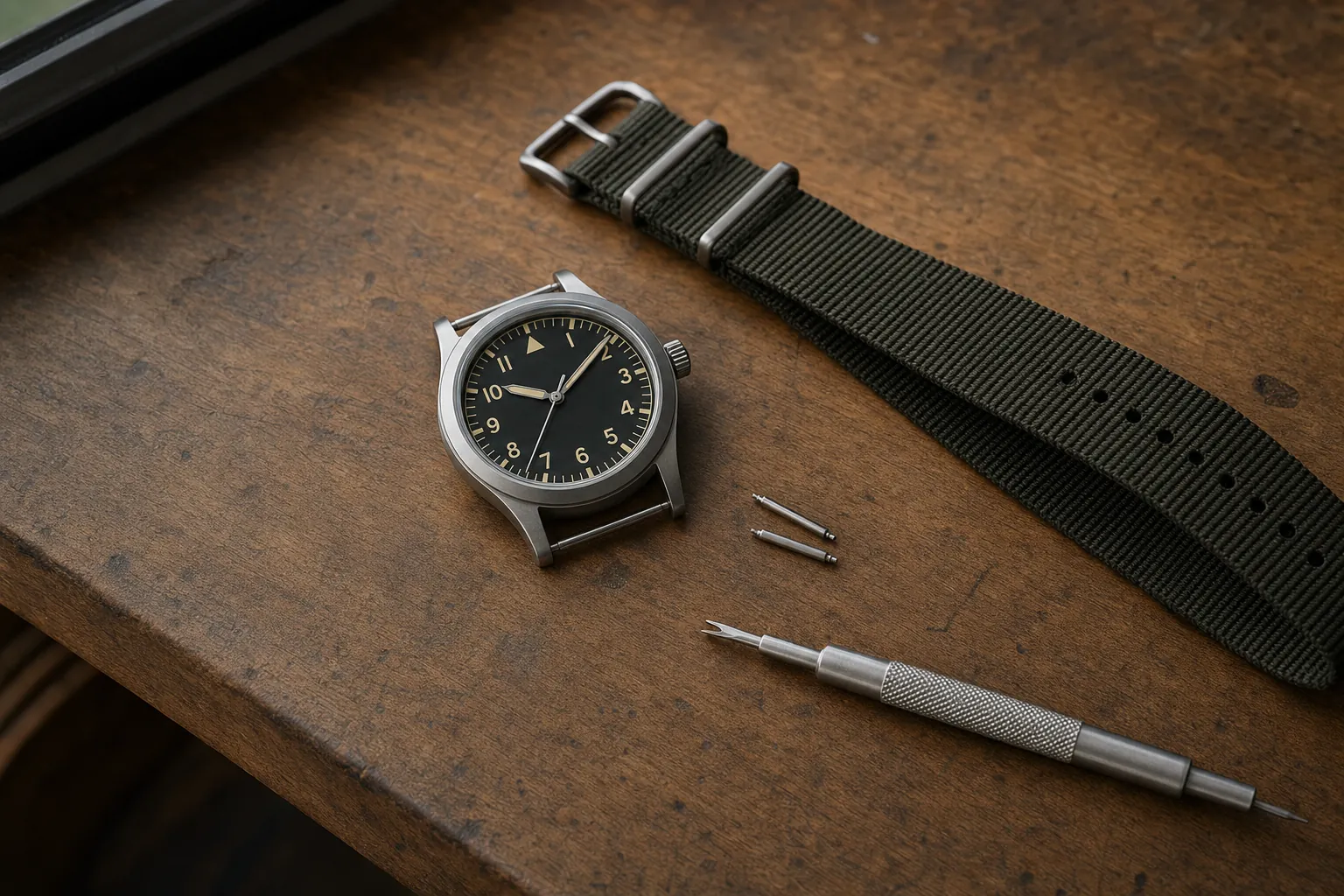
Watch care
How to Change a Watch Strap at Home
A careful guide to choosing the right fit, swapping a standard strap, and making sure it is secure.
Read the guide →