Watch Guides
How to Change a Watch Battery, and When Not To
A careful guide to replacing a simple quartz watch battery, choosing the right cell, protecting the seal, and knowing when a watchmaker is the safer choice.
Back to Watch Guides →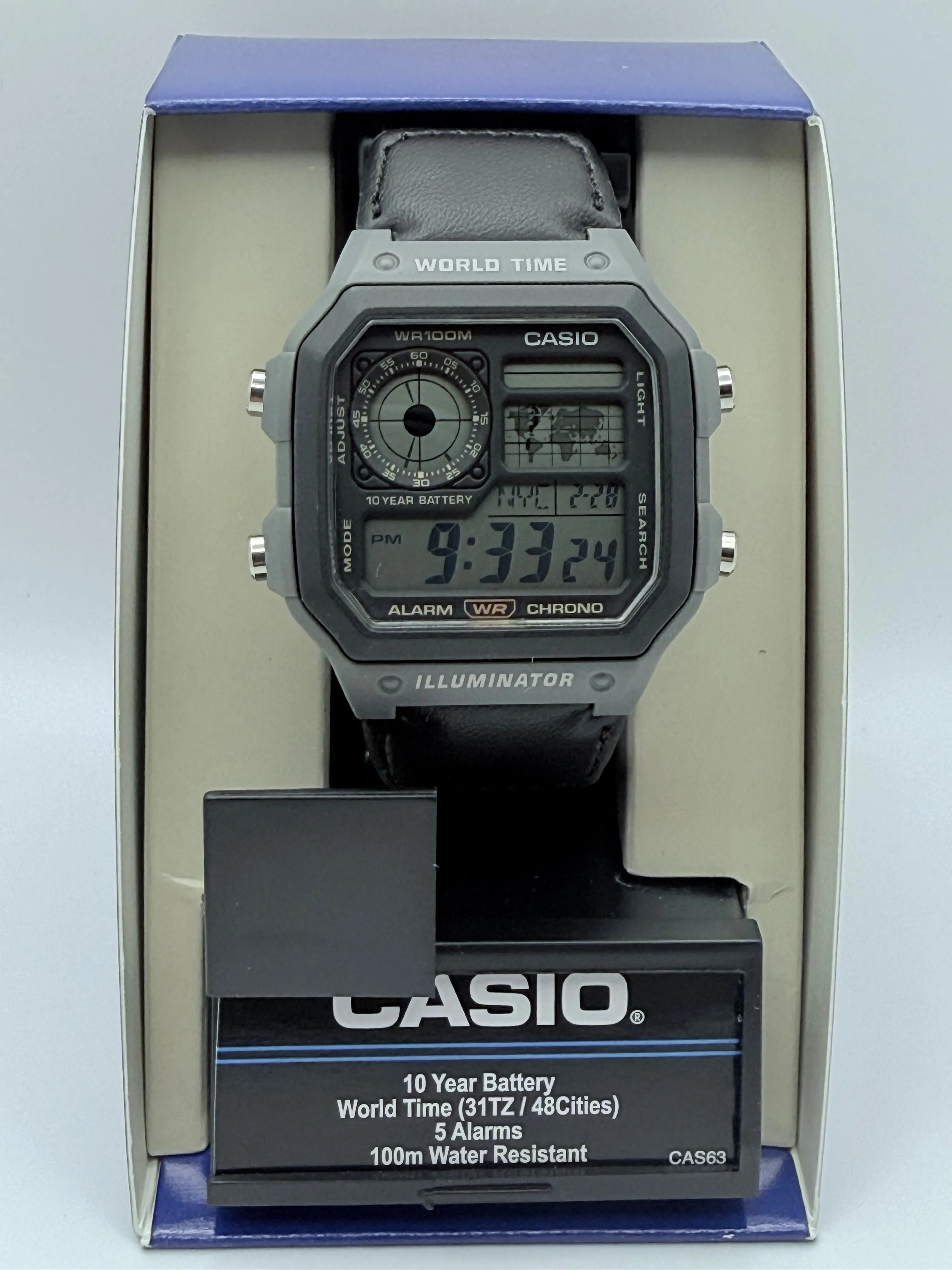
A stopped quartz watch often needs nothing more dramatic than a fresh battery. That does not make every battery change a home job. The safe choice depends on the caseback, the seal, the value of the watch, and whether you need its water resistance to remain trustworthy. This guide is for a straightforward, inexpensive quartz watch with a snap-back case. If your watch is sealed, special, or uncertain, the right tool is a watchmaker.
The Short Answer
Change a watch battery at home only when you can identify a simple snap-back quartz case, the exact replacement cell, and a calm place to work. Lay the watch on a soft cloth, photograph the old battery and any gasket before moving them, open the case gently at its notch, and fit the new cell in the same orientation. Confirm the watch runs before closing it. If the watch has a screw-back, meaningful water resistance, a valuable movement, or a case construction you cannot identify, stop and arrange professional service.
That restraint is not fussiness. Casio’s own watch guidance directs owners to leave battery replacement to the dealer, and Timex likewise recommends a retailer or jeweler for battery replacement in its owner information. Both manufacturers are protecting the case seal as well as the movement.
First, Make Sure It Is Actually a Battery Problem
Quartz watches commonly stop when their cell is depleted, but a still watch is not a diagnosis. Check that the crown is fully pressed in. If the watch is solar, kinetic, automatic, or manual wind, a coin-cell battery may not be the answer at all. A solar watch needs light, an automatic needs winding and wear, and a mechanical watch needs a different kind of attention. The guide to how automatic watches work explains why a mechanical movement does not take a standard watch battery.
On an ordinary analog quartz watch, a seconds hand that moves in larger jumps can be a low-power signal on some movements. A fading digital display, weak backlight, or a watch that has stopped after years of normal use can also point to the cell. Do not keep a dead battery inside indefinitely. A depleted cell can eventually leak, and corrosion around a movement is much harder to solve than a routine replacement.
Decide Whether This Is a Home Job
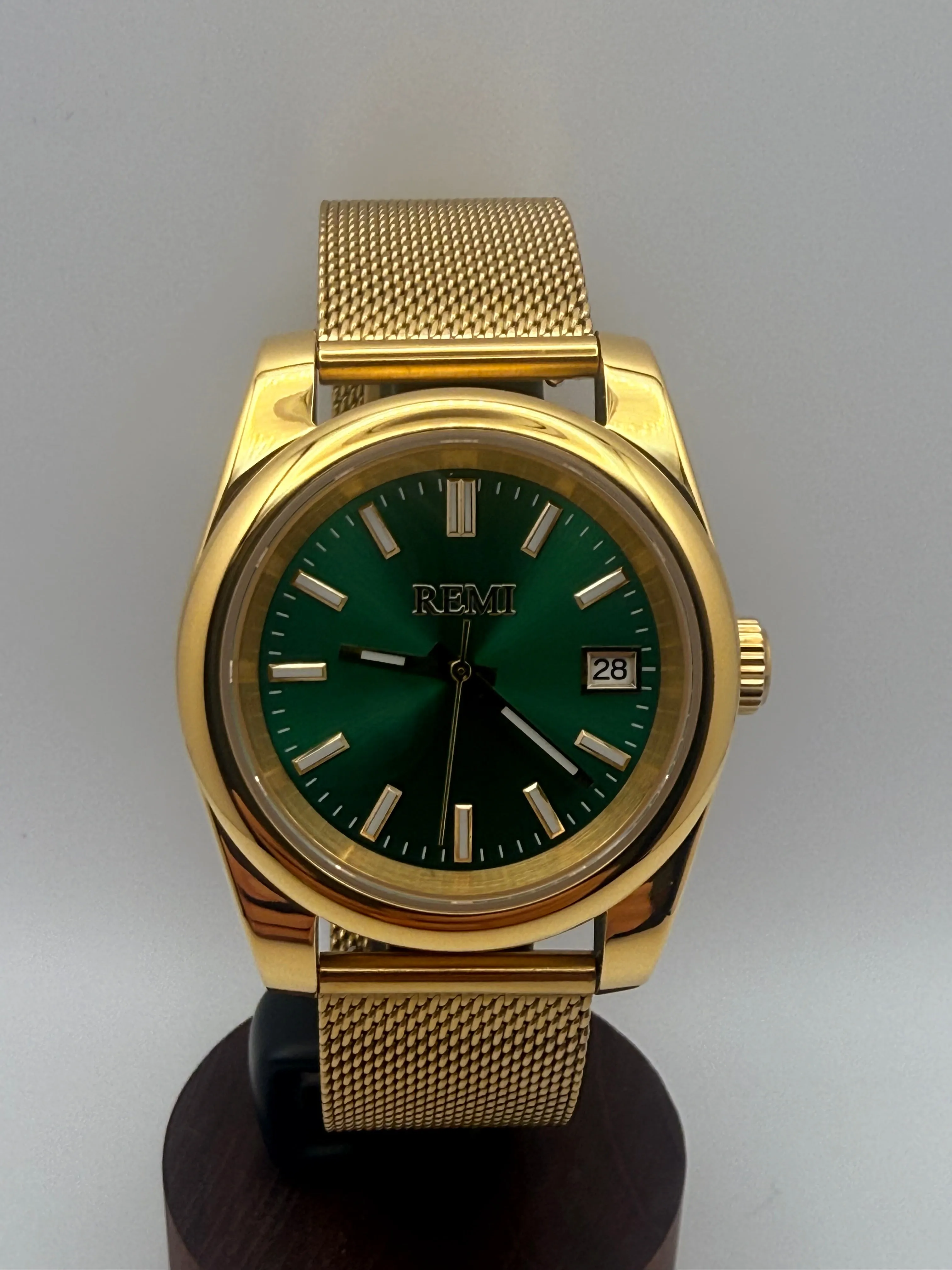
A basic home change is most reasonable for an inexpensive quartz watch with a plain snap-on caseback and no role in swimming, showering, or water sports. Look for a small pry notch on the edge of the back. That notch is a sign the back is designed to lift off. A clear model manual and a plainly marked battery code are good signs too.
Take the watch to a professional if the back has notches around its rim, several small screws, an unusual shape, or no obvious opening point. Also stop if the watch is water resistant and you depend on that rating, is under warranty, has sentimental or collector value, or uses a complex digital module. A professional can inspect the gasket, replace it if needed, and pressure test the case after closing it. A back that looks closed is not necessarily sealed.
There is no prize for opening every watch yourself. A small saving disappears quickly if a blade slips across the case, a screw head is damaged, or a gasket is pinched. The best home repair is the one you can complete without turning a working watch into a project.
Gather the Right Tools Before You Open Anything
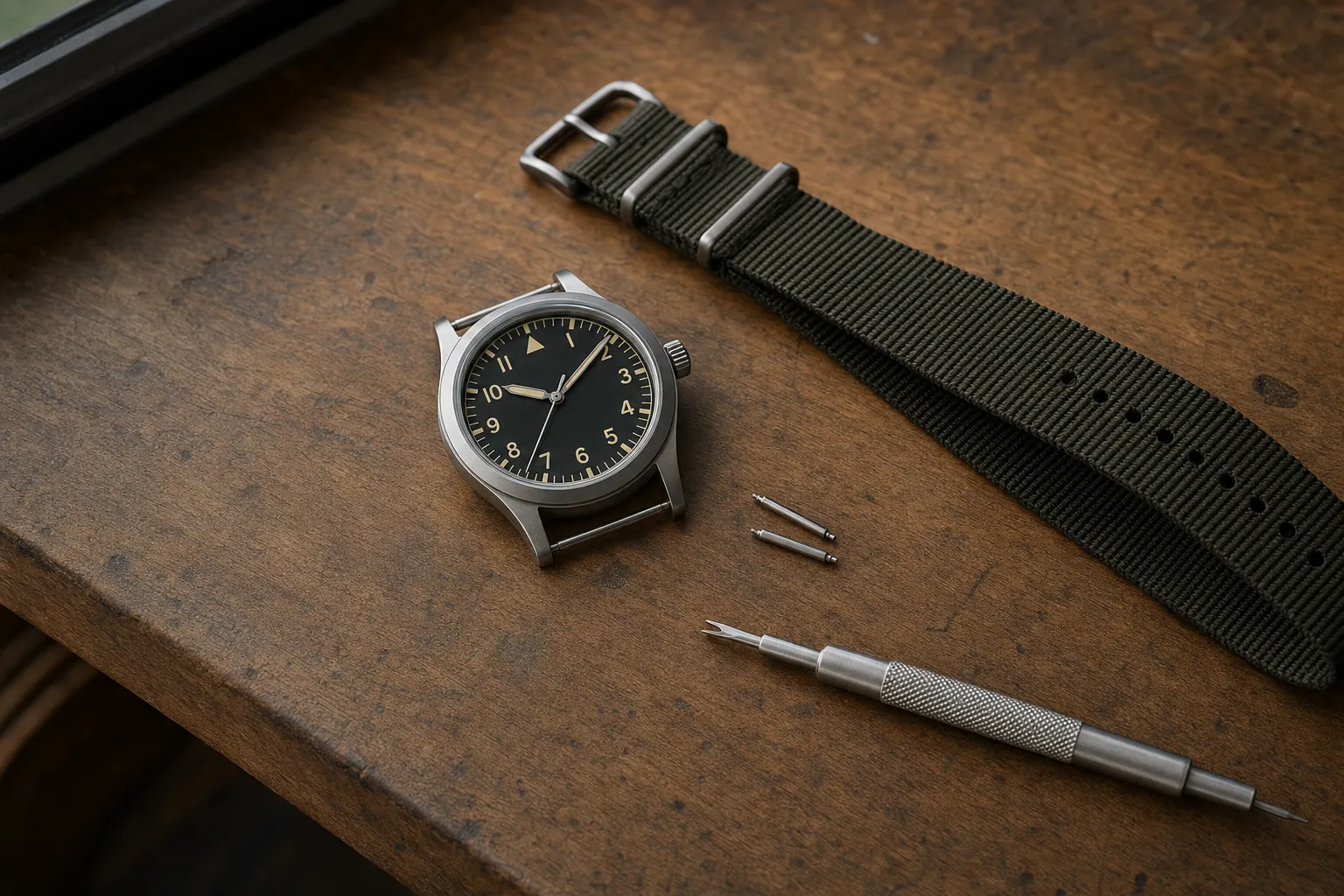
For a simple snap-back case, prepare a soft microfiber cloth, a purpose-made case knife or pry tool, non-magnetic plastic or fine tweezers, the exact replacement battery, a small tray, and good lighting. A loupe or phone camera can be useful for recording how the battery clip and gasket sit before you touch them. A clean, uncluttered table matters more than a large tool kit.
Avoid improvising with a kitchen knife, thick screwdriver, or ordinary pliers. They make it easy to scratch the case, bend a retaining clip, or slip into the movement. iFixit’s basic battery-replacement guide illustrates the simple snap-back sequence, but use it as a reference for a comparable case, not a reason to force your own watch open.
Find the Exact Battery, Not a Similar-Looking One
Once the case is open, read the code on the old cell and record it before removing it. The code, not the coin-cell diameter, is the starting point for a replacement. Watch cells may look alike while differing in chemistry, thickness, voltage behavior, or intended drain rate. If the caseback, manual, or manufacturer documentation gives a battery type, use that information to confirm the code.
Use a fresh, reputable replacement in its unopened packaging. Hold it by the edge with clean tweezers rather than pressing bare fingers across both faces. If the original battery is held by a spring clip, photograph the clip and the battery orientation first. The marked positive face is often visible from above, but do not turn that into a rule. Copy the orientation you found.
If the old battery has leaked, if the contacts look green, white, or crusted, or if you cannot read the code, do not continue with a replacement cell. Those are repair symptoms. Close the case loosely enough to protect the movement and ask a professional to inspect it.
How to Change a Simple Snap-Back Watch Battery
- Protect the watch and document the layout. Put the watch face-down on the cloth. Take a clear photo of the caseback, battery, gasket, and any plastic spacer or battery clip once visible.
- Locate the opening notch. Find the small gap at the edge of the snap-back. Set the tip of a case knife in that notch, keep the blade shallow, and twist gently. Do not lever against the crystal or force a back that will not lift.
- Keep the gasket in order. If a rubber sealing ring is present, note exactly where it sits. Put it in the tray without stretching, twisting, or coating it with anything.
- Remove the old cell carefully. Release a retaining clip only as far as necessary. Lift the battery with non-metal tweezers or the approved edge of the tool, taking care not to scrape the coil, contacts, or movement.
- Fit the new cell in the same orientation. Match the old battery’s position. Re-seat the clip if there is one, then check that the battery lies flat and nothing is bent or trapped beneath it.
- Test before closing. Watch for the seconds hand or display to start. Some movements take a moment. If it does not run, stop instead of poking at the contacts.
- Re-seat the gasket and close the case. Make sure the gasket is clean, complete, and flat in its groove. Align the caseback correctly, then press it evenly with the appropriate case press or careful thumb pressure only if it returns without force.
Take your time with every step. A battery replacement is small work, not fast work. If the caseback needs excessive pressure, comes on crooked, or will not snap home cleanly, do not keep trying. The seal is too important to win by force.
Water Resistance Is the Important Tradeoff
Opening a case interrupts the barrier that keeps moisture out. The rubber gasket may be dry, flattened, nicked, or simply not return to its groove as it was. A correct-looking caseback does not prove that a watch remains safe for a pool, shower, rainstorm, or dive. That proof comes from a pressure test with the proper equipment.
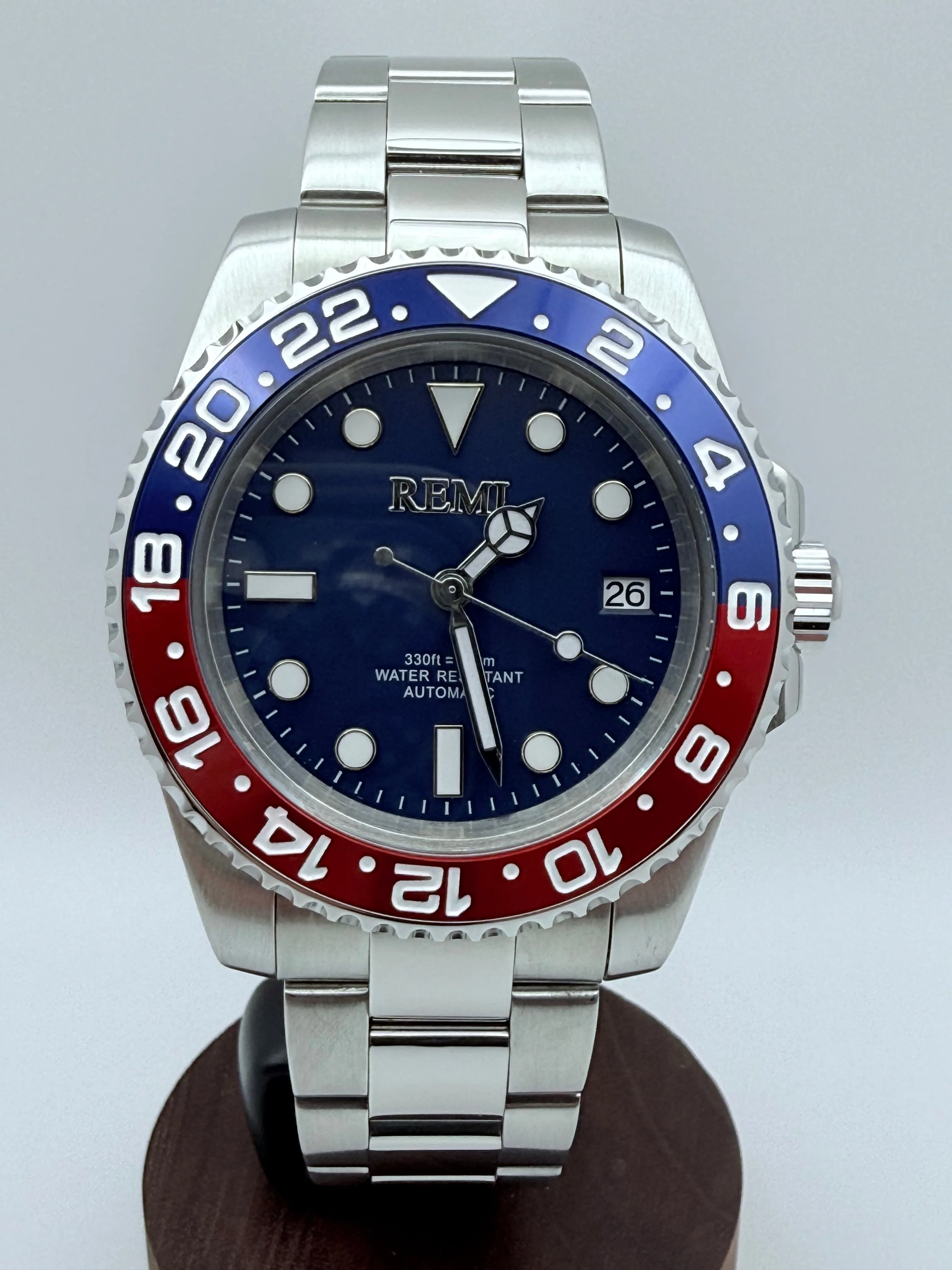
If your watch was sold as water resistant and you use it around water, treat a professional battery change as part of maintaining that claim. This applies especially to diver-style watches, digital sport watches, and any piece you care about preserving. Casio notes in its care guidance that dealer replacement helps maintain the watch’s intended water resistance. The safer default is simple: after a home change, keep the watch dry unless it has been professionally tested.
If the New Battery Does Not Fix It
First, confirm the cell code and its orientation against your photo. Check that the battery clip is seated and that no plastic spacer was left out. Do not bridge contacts with metal tools, bend springs to “improve” contact, or repeatedly remove and reinstall the cell. Those shortcuts can create a larger fault than the original one.
A quartz watch can also need a movement reset after a battery change, but the reset method is model-specific. Follow the official manual for the exact model, or take the watch to a repairer. If moisture, corrosion, a damaged coil, or an intermittent display is involved, the next step is diagnosis, not another battery.
How REMI Helps You Choose the Right Ownership Routine
The best care routine starts with knowing what powers the watch you wear. REMI’s current watch collection includes different movements and everyday styles, so a quartz watch, an automatic, and a rugged water-ready piece do not all get treated as if they were the same object. Product details are the useful first stop when you need to identify what is on your wrist.
For everyday upkeep, the guide to cleaning a watch strap without damage covers the parts you can safely maintain between services. If you are weighing a new watch or have a care question about a particular piece, REMI’s contact page gives you a direct way to ask before you take a tool to it.
A Practical Battery-Change Checklist
- Confirm the watch is quartz, not mechanical, automatic, solar, kinetic, or a smartwatch.
- Choose home replacement only for a straightforward snap-back case you can identify confidently.
- Use the exact battery code and record the original orientation.
- Protect the case, gasket, and movement with a soft surface and the right tools.
- Stop for corrosion, a damaged seal, a screw-back case, resistance, or uncertainty.
- Keep a water-resistant watch dry after a home change unless it is professionally pressure tested.
- Ask a watchmaker to solve anything beyond a clean, simple cell swap.
A fresh battery should make a quartz watch feel effortless again. The careful part is deciding whether the job really belongs on your workbench. When the answer is yes, work slowly and copy what you found. When the answer is no, professional service protects the watch, its seal, and the years you expect it to keep time.
Common Questions
Watch Battery FAQ
Can I change a watch battery myself?
You can usually change the battery in an inexpensive quartz watch with a simple snap-back case, the correct replacement cell, and the right tools. A water-resistant, screw-back, sentimental, vintage, or valuable watch is better left to a watchmaker because sealing and pressure testing are part of doing the job properly.
How do I know which watch battery to buy?
Use the exact code printed on the old cell, then confirm it against the watch manual or the manufacturer’s guidance where available. Similar-looking cells are not automatically interchangeable. Do not guess from the diameter alone.
Will changing a watch battery affect water resistance?
It can. The caseback gasket must be clean, undamaged, and seated correctly, and only a pressure test confirms the seal afterwards. If you rely on the watch around water, have a professional replace the battery and test the case.
Why did my watch not start after a new battery?
The new cell may be the wrong type or orientation, a retaining clip may not be fully seated, the movement may need a reset, or the watch may have another fault. Stop rather than probing the movement, then use the model manual or a qualified repairer.
Keep Reading
Related Posts

Watch movements
How Do Automatic Watches Work?
Understand the rotor, mainspring, power reserve, and the difference between automatic and quartz watches.
Read the guide →
Watch care
How to Clean a Watch Strap Without Damage
Care for leather, nylon, rubber, and metal bracelets with the right routine for each material.
Read the guide →Watch care
How to Store Watches Without Damaging Them
Keep daily wear, travel pieces, and longer-term storage organised and protected.
Read the guide →